Elsie Morison 埃尔西·莫里逊
埃尔西·莫里逊
E·Morison / E·莫里逊地区澳大利亚
类型个人
职业女高音
艺人资料
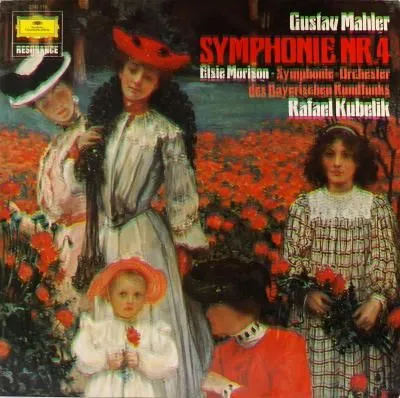
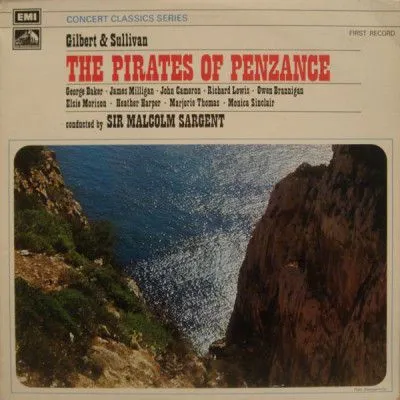
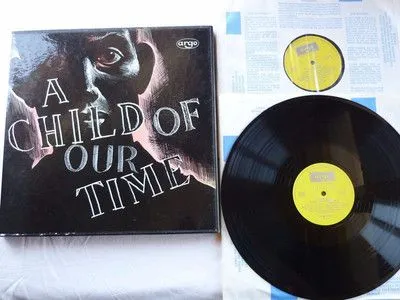
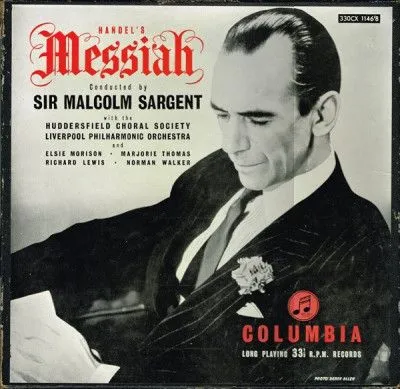
Elsie Morison (15 August 1924 – 5 April 2016) was an Australian operatic soprano. She won the Dame Nellie Melba Scholarship in 1945, and the Queen's Prize at the Royal College of Music in 1947.Morison was born in Ballarat, Victoria, to Alexander and Elsie Morison. As a child and teen, she was interested in piano, however her mother, who was a singing teacher, encouraged her in her vocal studies. Morison was educated at Clarendon Presbyterian Ladies College, followed by the Albert Street Conservatorium inMelbourne from 1943 to 1945.Her teachers included Clive Carey, a visiting lecturer from England, with whom she continued studies at the Royal College of Musicin London from 1947 to 1948.Morison made her English concert debut at the Royal Albert Hall in Handel's Acis and Galatea in 1948 and that autumn joined Sadler's Wells Opera, appearing regularly there until 1954. She sang Anne Trulove in the first British staging of Stravinsky's The Rake's Progress in 1953 in Edinburgh, and at her Glyndebournedebut the following year. After a notable Covent Garden debut in 1953 as Mimi in Puccini's La bohème, she sang there regularly until 1962. She was admired for the touching sincerity of her acting and the lyrical warmth of her voice, in such roles as Susanna (The Marriage of Figaro), Pamina (The Magic Flute), Marzelline (Fidelio), Micaela (Carmen), Antonia (The Tales of Hoffmann), Marenka (The Bartered Bride), and Blanche in the British premiere of Poulenc's Dialogues of the Carmelites in 1958. In 1955 she created the title role of Arwel Hughes's Menna for the Welsh National Opera. She appeared as an oratorio singer in Denmark, the Netherlands, France and the United Kingdom.Among Morison's many recordings, those of Purcell, Handel and Michael Tippett's A Child of Our Time capture the grace and conviction of her singing. She has also recorded an outstanding and very well received complete Brahms Liebeslieder Waltzes, Opp. 52 and 65, with Marjorie Thomas, Richard Lewis and Donald Bell, accompanied by Vitya Vronsky and Victor Babin.