Eduard Melkus 爱德华·梅尔库斯
爱德华·梅尔库斯
E·Melkus / E·梅尔库斯地区奥地利
类型个人
职业指挥、小提琴
艺人资料
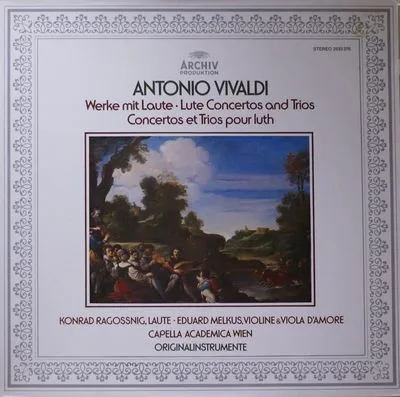
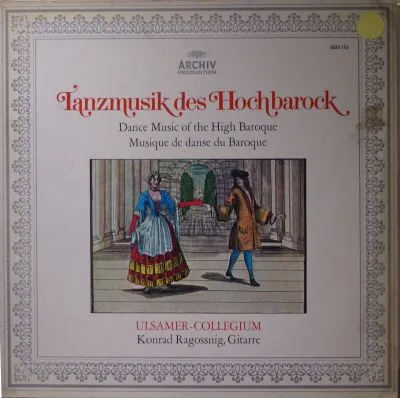
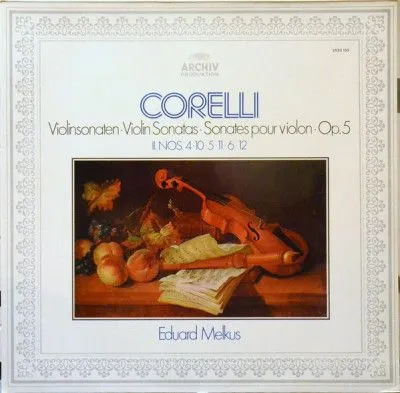
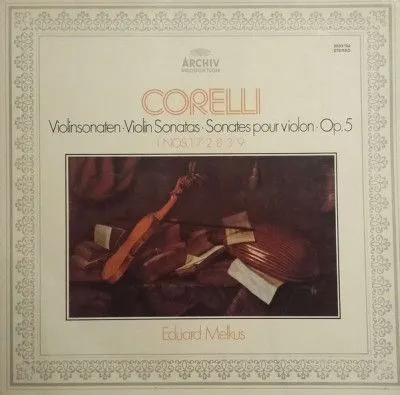
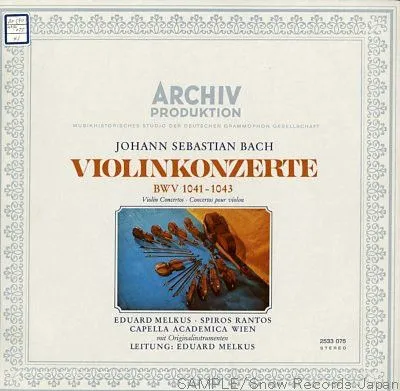
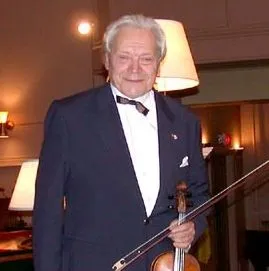
Eduard Melkus(born 1 September 1928 inBaden bei Wien) is an Austrianviolinistandviolist. Following theSecond World War, Melkus dedicated himself to the exploration ofhistorically informed performance. He was a member of the 1949 Vienna viola da gamba quartet, the select group of musicians that included Alice andNikolaus Harnoncourtand the harpsichordistGustav Leonhardtwho started the Early Music movement. He performed and recorded more than 200 works from the mid 17th through the late 18th centuries with his ensembleCapella Academica Wien, or the French harpsichordistHuguette Dreyfus, and in his time, tapped a worldwide audience. From 1958, Melkus was a professor of violin, baroque violin, viola, and historical performance practice at theVienna Academy of Music. In 1982 he became head of the Institute for Viennese Sound Style. As a violin soloist, Eduard Melkus is a precursor to the current wave in the revival of historically informed baroque period performance. His best-known recordings includeDeutsche GrammophonLPs of theCorelli Violin Sonatas, Opus 5with rare extant 18th-century embellishments, prepared in conjunction with musicologistMarc Pincherle, the BiberRosary Sonatas—for which he won theDeutscher Schallplattenpreisin 1967, Tartini/NardiniViolin Concerti, the LPHoheschule der Violinewhich includes the first period-instrument performances of the Tomasso VitaliChaconneand TartiniDevil's Trill Sonata, and theViolin Sonatas, Opus 1of G.F. Handel, the BachViolin Concerti, Tartini/NardiniViolin Concerti, CouperinApotheoses/LeclairTombeausonata, and an important LP entitledPolish and Hanakian Folk Music in the Work of G.P. Telemann. For all these recordings, Melkus played an unaltered violin byAegidius Kloz, made inMittenwaldca. 1760, while the rest of his ensemble, the Cappella Academica Wien, played on far more expensive Italian instruments borrowed from the Vienna Akademie fur Musik and restored to resemble their original conditions. Melkus' later recordings of such works as Bach'sSonatas for Violin and Harpsichordwere made on a retrofitted violin byNicolo Amatiof Cremona in 1679; though a richer-sounding and historically more important instrument, Melkus always sounded more daring and comfortable on the Kloz. Moreover, as Melkus always pointed out in liner notes, the Kloz is rare in that it survived with itsoriginalneck, bass-bar, and fingerboard, rather than requiring somewhat speculative retrofitting—which cannot be said for the Amati, and no Amatis survive in original state for restorer consultation. Melkus owns three other instruments by Nicolo Amati, comprising a complete string quartet by that unequalled maker.