Ferenc Fricsay 弗伦茨·弗里乔伊
弗伦茨·弗里乔伊
F·Fricsay / F·弗里乔伊地区匈牙利
类型个人
职业指挥
艺人资料
费伦茨·弗里恰伊(Ferenc Fricsay,1914年8月9日—1963年2月20日),匈牙利指挥家,20世纪重要的指挥大师之一;生于布达佩斯,15岁指挥乐团演出,初露锋芒;1936年在塞格德开始指挥生涯;1938年任布达佩斯歌剧院指挥、音乐总监,1945年任布达佩斯爱乐乐团指挥;1947年在萨尔茨堡音乐节代替奥托·克伦佩勒指挥,大获成功;1950年他首次在英国亮相,1953年赴美国首次指挥波士顿交响乐团;1961年在奥地利获教授学位,著有《莫扎特与巴托克》一书;1963年2月20日逝世于瑞士;弗里乔伊1949--1961年的历史录音虽是Mono之作,却是珍贵的音乐史料。
(1914年8月9日出生在布达佩斯, 1963年2月20日逝世于巴塞尔) ,是一位活跃在匈牙利、奥地利和德国的匈牙利指挥家。
弗里乔伊在布达佩斯音乐学院学习,之后在军队里面当乐长,后来还在赛格当乐队长。 后来他以乐队长和指挥的身份前往布达佩斯和维也纳国家歌剧院。
弗里乔伊成名于1947年,在当年的萨尔斯堡音乐节上代替奥托·克伦佩勒指挥《丹东之死》 。
1949年弗里乔伊成为柏林市立歌剧院首席指挥。但他很快就离开了,转而到了柏林美占区电台交响乐团(柏林RIAS广播交响乐团)上任,直至1954年。
1956年到1959年他成为巴伐利亚国立歌剧院音乐总指导,从1961年起同时担任柏林广播交响乐团首席指挥和柏林德意志歌剧院艺术总监。
费伦茨·弗里乔伊是指挥界第一位"媒体明星",很早便涉足广播和唱片录制。1949年他为德国唱片公司录
制第一张LP,曲目是柴科夫斯基的交响曲,而且是立体声录音的先驱人物。
虽然他早逝,但他为后世留下了超过200部经典作品,并且从1948年起,将柏林美占区电台交响乐团(柏林广播交响乐团)提升到可与柏林爱乐乐团并立的地位。
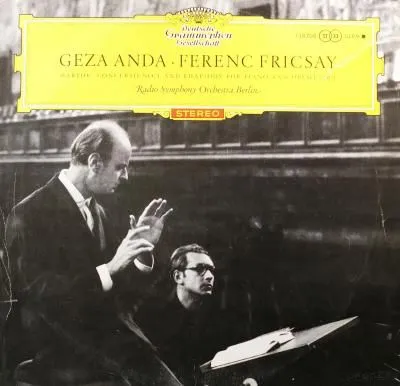
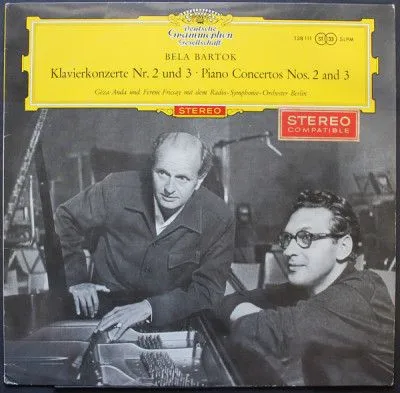
出名的录音有,和戈扎·安达合作录制的巴托克三首钢琴协奏曲,贝多芬的第九交响曲和三重协奏曲。
费伦茨·弗里乔伊是剧院导演安德拉斯·弗里乔伊的父亲,后者曾导演彼得·马斐的《塔把鲁加》。
一般都较长寿,斯托科夫斯基95岁,托斯卡尼尼90岁,蒙特89岁,伯姆87岁,奥曼迪86岁,布鲁诺·瓦尔特86岁,赫伯特·冯·卡拉扬81岁等。也有英年早逝的,如弗里恰伊年仅49岁,他似乎是被人遗忘的指挥大师。
1914年8月9日,弗里恰伊(Ferenc Fricsay)生于匈牙利布达佩斯。父亲是军乐队指挥,在家庭音乐环境熏陶下,弗里恰伊从小就喜爱音乐,而且才智过人。
弗里恰伊学于布达佩斯音乐学院,导师都是匈牙利著名的音乐家巴托克、科达伊、恩斯特·多纳尼和韦纳(L.Weiner)等。在校期间,弗里恰伊勤奋好学,刻苦钻研,几乎学过所有的管弦乐器,为他日后从事指挥工作打下了良好的基础。
15岁那年,弗里恰伊代替父亲指挥军乐队广播演出,初露锋芒,才能过人。19岁在匈牙利南部城市塞格德开始了他的指挥生涯。25岁的弗里恰伊被聘为布达佩斯歌剧院指挥,后晋升为音乐总监。并兼任布达佩斯爱乐乐团指挥。由于封闭自守,与世隔绝,二战前弗里恰伊的名声不为人知,二战后他才有机会在国际乐坛上大显身手。
1947年萨尔茨堡音乐节准备首演艾内姆的歌剧《丹东之死》,指挥克伦姆佩勒突然病倒,弗里恰伊临阵受命代替指挥演出,大获成功,弗里恰伊也就一举成名。翌年重临指挥演出马丁的神剧《药酒》。
1949年又3度登临萨尔茨堡音乐节,指挥演出奥尔夫的歌剧《安提戈涅》。此后,他在国际乐坛演出频繁,先后出任柏林美军占管区广播交响乐团(RIAS 即柏林广播交响乐团前身1949—1954)、柏林德意志歌剧院(1948—1952)、慕尼黑巴伐利亚国家歌剧院(1956—1958)、等指挥或音乐总监。活跃于西柏林的弗里恰伊和东柏林的凯尔伯特(J.Keilberth),两人近在咫尺,却遥遥相对,成为当时东西柏林指挥界的两大巨匠。
1950年,弗里恰伊首次在爱丁堡音乐节亮相,成功指挥莫扎特《费加罗的婚礼》,1953年,首赴美国指挥波士顿交响乐团音乐会。次年,弗里恰伊出任美国休斯敦交响乐团指挥,但1年后辞职回到欧洲。1961年,他在奥地利获取音乐教授头衔;著有有《莫扎特与巴托克》一书。
弗里恰伊的最后一场音乐会是1961年9月7日在伦敦指挥伦敦爱乐乐团演出贝多芬《第7交响曲》,全场Standing Ovetion,向大师致敬。1963年2月20日,弗里恰伊因癌症病逝于瑞士巴塞尔。
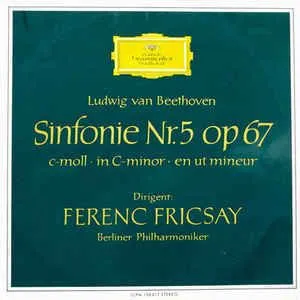
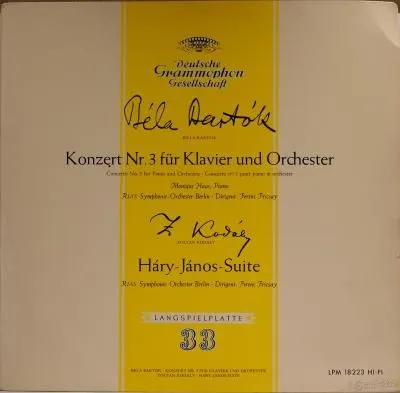
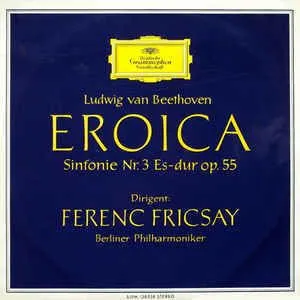
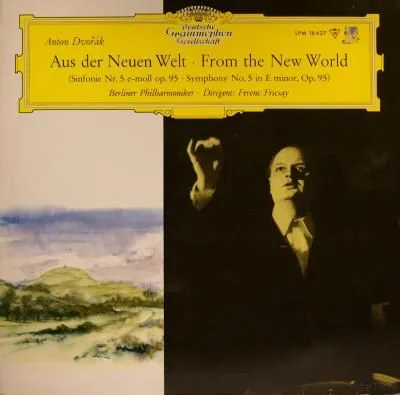
弗里恰伊是20世纪优秀的音乐会和歌剧指挥家,擅长指挥莫扎特、贝多芬以及一些现代作品。尚需一提的是他还长期担任DG唱片公司音乐总监,并录制有他指挥的唱片,1994年DG推出《弗里恰伊肖像》CD系列(10CDS 445 400-2),收有他1949—1961年的历史性著名录音,虽是Mono(单声道)之作,却是珍贵的音乐史料。
2008年推出的《回忆弗里恰伊》(Medici Arts DVD 3078528)是弗里恰伊唯一的影碟,在介绍大师不屈不挠的一生过程中,穿插了大师指挥斯图加特广播交响乐团(1960)、柏林广播交响乐团(1961)、巴伐利亚广播交响乐团(1957)、柏林德意志歌剧院乐团(1961)、巴伐利亚国家乐团(1958)等排练斯美塔那《伏尔塔瓦河》、杜卡《小巫师》、瓦格纳《齐格弗里德牧歌》(1957)、莫扎特《唐·乔万尼》(1961)、莫扎特《费加罗的婚礼》序曲等精彩片段。
他是徒手指挥,手势不是很规范,却很形象,采用讲故事的排练方法是一大特点。他要求苛刻严厉,一丝不苟,尽善尽美,不放过任何音乐演绎上的瑕疵。
English Introduction
Ferenc Fricsay(Hungarian pronunciation:[ˈfɛrɛnt͡s ˈfrit͡ʃɒi]; 9 August 1914 – 20 February 1963) was aHungarianconductor. From 1960 until his death, he was anAustriancitizen.
Fricsay was born in Budapest in 1914 and studied music under Béla Bartók, Zoltán Kodály, Ernst von Dohnányi, and Leó Weiner. With these and other faculty at the Budapest Academy of Music he studied piano, violin, clarinet, trombone, percussion, composition and conducting. Fricsay made his first appearance as a conductor at age 15, substituting for his father at the podium of the Young Musicians Orchestra of Budapest. In 1930, at the age of 16, he succeeded his father as conductor of the Young Musicians Orchestra.
On graduating in 1933, Fricsay became repetiteur for the chorus of the Budapest Opera; then, from 1933 to 1943, he was music director of the SzegedPhilharmonic Orchestra in the third largest city in Hungary; he also served as director of its military band from 1933. In 1942, he was court-martialed by the government of Miklós Horthy for wanting to employ Jewish musicians, and for having "Jewish blood" himself (according to reliable reports, his mother was Jewish). When the Nazis occupied Hungary in 1944, the chief editor of the Szeged daily newspaper warned Fricsay that the Gestapoplanned to arrest him; he and his wife, Marta (nee Telbisz) and three children Marta, Ferenc and Andras, avoided this fate by going underground in Budapest.
In 1945, secret emissaries offered him the co-directorship of the Metropolitan Orchestra of Budapest (later Budapest Philharmonic Orchestra); he also became principal conductor of the Budapest Opera. He conducted opera at the Vienna Volksoper and at the Salzburg Festival in the late 1940s, including world premieres in Salzburg of operas by Gottfried von Einem ("Danton's Tod" in 1947) and by Frank Martin ("Zaubertrank" in 1948). The enthusiastic reception of Fricsay's work on this international stage led to his being appointed Chief Conductor of the Berlin RIAS Symphony Orchestra and General Music Director of the Deutsche Oper Berlin, from 1949–1952, performing then in the Theater des Westens. He made his United Kingdom debut at the 1950 Edinburgh Festival, leading the Glyndebourne Opera in Mozart's Le Nozze di Figaro. He made his Buenos Aires debut that year with Carmina Burana. In 1951 he made his debuts in Italy and with the Royal Concertgebouw Orchestra in Amsterdam. In 1953 he made his debuts in Paris, Milan, Lucerne, and the USA, where he conducted the Boston Symphony Orchestra and San Francisco Symphony. He was appointed musical director of the Houston Symphony in 1954, but resigned halfway through the season over "disagreements on musical policy." The true reason involved US tax policy. He discovered that under the Internal Revenue Code he would have to declare income earned throughout the world in his US tax return as long as he spent more than 6 months residing in the United States. His contract with the Houston Symphony would have resulted in having his income becoming subject to prohibitive US tax rates. When he became aware of this problem he abruptly left Houston for Switzerland. He made his debut with the Israel Philharmonic in 1954. He spent much of his time from the 1950s onward in Germany as music director of the Bavarian State Opera (1956–1958) and as conductor of the RIAS Symphony Orchestra, the Deutsche Oper Berlin and the Berlin Philharmonic. Also in 1956, he was appointed General Music Director of the Munich Court Opera, a position he held until 1958.
Fricsay gave his last concert on 7 December 1961 in London where he conducted the London Philharmonic Orchestra in Beethoven's Symphony No. 7. He suffered from repeated illnesses throughout his life and finally succumbed to cancer of the stomach on 20 February 1963 at the age of 48 in Basel, Switzerland.