Gary Graffman 加里·格拉夫曼
加里·格拉夫曼
G·Graffman / G·格拉夫曼地区美国
类型个人
职业钢琴
艺人资料
简介Biography
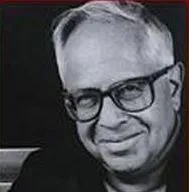
加里·格拉夫曼(Gary Graffman,1928年10月14日 - ),美国古典钢琴家、钢琴教师、音乐总监。他的学生很多,包括钢琴演奏家Lydia Artymiw、郎朗、郑慧、王羽佳、张昊辰。
加里·格雷夫曼GaryGraffman,生于纽约,俄罗斯裔美国人,3岁始学习钢琴。父亲是一位小提琴家,曾苦心教授其儿子学习小提琴,可是格雷夫曼却对钢琴表现出了极大的天赋和热情。加里·格雷夫曼7岁入读柯蒂斯音乐学院,在50年后成为了该校的校长。格雷夫曼86年成为继约瑟夫·霍夫曼,埃弗雷姆·津巴利斯特和鲁道夫·塞尔金之后柯蒂斯全额奖学金部主任。1995年他正式担任柯蒂斯音乐学院院长,同时兼任钢琴和室内乐教师至今。这位饮誉世界乐坛的钢琴家也是目前世上两位以左手演奏的著名钢琴家之一。
个人简介
加里·格拉夫曼是国际古典音乐家。加里·格拉夫曼这个名字对于国际古典乐坛来说代表了很多概念:音乐世家、钢琴神童、大师高徒、左手传奇、名校院长……每个名称背后都有着传奇故事。
格拉夫曼这个姓氏原本属于成就彪炳的小提琴家族。1928年,加里·格拉夫曼出生于纽约的一个俄罗斯音乐世家,父亲弗拉基米尔·格拉夫曼是著名的犹太裔小提琴演奏家。第二次世界大战之后,美国涌现出一大批犹太裔音乐家,其中不乏斯特恩、帕尔曼这样的乐坛大师级人物,这些音乐家族举家搬迁至美洲大陆,掀起了又一轮古典音乐的新浪潮。“由于要躲避第二次世界大战的战火,有大量犹太移民在上世纪三四十年代时涌入美国。他们一无所有,所有的努力都是从零开始,我们也是一样。”加里·格拉夫曼说。
父亲希望儿子继承衣钵,但小加里却因为扛不动小提琴而改学钢琴,他的音乐天赋也在黑白琴键上一发而不可收:“我3岁就开始拉小提琴,但因为扛不动最小号的小提琴,所以便在一年后转学钢琴,没想到学了6个月便进步神速,父亲也就打消了再让我重学小提琴的念头”。7岁考入柯蒂斯音乐学院,加里·格拉夫曼很早拥有了“乐坛神童”的美誉。17岁时,他从柯蒂斯毕业后跟随霍洛维茨学习,但他在谈到这位跟随了七年的钢琴大师时也只是一语带过:“霍洛维茨给了我很多演奏方面的指导,但那时我已经有了自己的音乐见解,他并未对我的人生轨迹产生任何影响。”1949年,在赢得著名的利文特里特音乐大奖之后,他就成为了古典音乐界的风云人物和精英钢琴家中的超级明星。在此后的30年里,他巡演的足迹遍布世界各地,每年平均超过100场,在各类独奏或协奏音乐会上演奏钢琴史上最高难度的作品——至今他仍然是唯一与美国六大乐团(纽约、费城、波士顿、克利夫兰、芝加哥和旧金山)一同录音的钢琴独奏家。
职业生涯
加里·格雷夫曼生于纽约,俄罗斯裔美国人,3岁始习钢琴。格雷夫曼的父亲是一位小提琴家,曾苦心教授其儿子学习小提琴,可是格雷夫曼却对钢琴表现出了极大的天赋和热情。加里·格雷夫曼7岁入读柯蒂斯音乐学院,在50年后成为了该校的校长。毕业后,格雷夫曼多年跟随霍洛维兹,并在万宝路夏季音乐节上与鲁道夫·塞尔金密切合作。
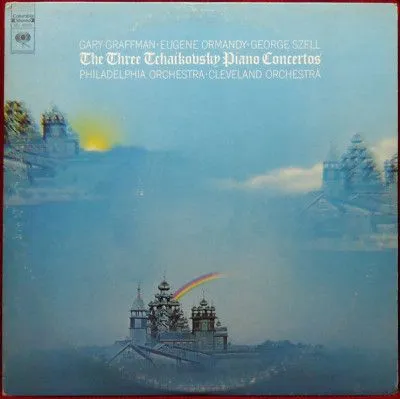
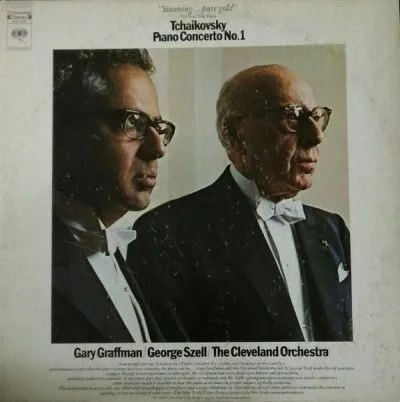
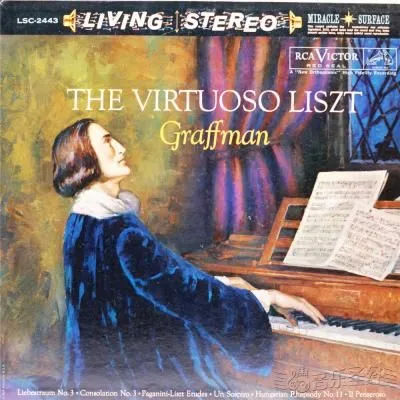
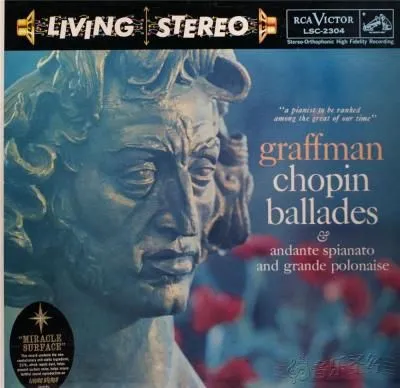
饮誉世界乐坛的著名钢琴家加里·格雷夫曼自1949年荣获利文特里特奖后在接下来的三十年间展开了频繁的世界巡演,曾经与多个世界知名交响乐团及指挥家合作演出。这些乐团包括了纽约交响乐团、费城交响乐团、芝加哥交响乐团和波士顿交响乐团,以及乐坛顶级指挥家罗纳德·伯恩斯坦,祖宾·梅塔,尤金·奥曼迪和乔治·塞尔,他们淋漓尽致地合作演绎了柴科夫斯基,拉赫马尼诺夫,普罗科菲耶夫,勃拉姆斯,肖邦,贝多芬等的作品,并与哥伦比亚广播公司,美国无线电公司等著名的唱片公司录制发行了一系列唱片。
1979年,格雷夫曼的右手不幸受伤,这无疑是对格雷夫曼钢琴事业的巨大打击。虽然他的演出因而受到了极大限制,但是他却更加精准的表现了保罗·维特斯特、拉威尔、普罗科菲耶夫、布里顿、理查德·施特劳斯,弗朗茨·施密特等著名的左手钢琴协奏曲。1985年格雷夫曼与祖宾·梅塔和纽约爱乐乐团合作在北美首演了埃里奇·沃夫冈·康果1924年的左手钢琴协奏曲;与安德烈·普列文指挥的维也纳爱乐乐团为“德意志留声机”DG录制了施特劳斯的钢琴(左手)和管弦乐《家庭交响曲》,取得了极大的成功。
格雷夫曼不得不减少了演出,而这却为他创造了舞台之外辽阔的发展空间——其中最值得称道的是出任美国著名的费城柯蒂斯音乐学院院长。格雷夫曼于1980年成为该院钢琴系教师,86年成为继约瑟夫·霍夫曼,埃弗雷姆·津巴利斯特和鲁道夫·塞尔金之后柯蒂斯全额奖学金部主任。1995年他正式成为柯蒂斯音乐学院院长,同时兼任钢琴和室内乐教师。
1993年,加里·格雷夫曼与安德烈·普列文指挥的柯蒂斯音乐学院交响乐团合作首演了纳得·罗母第四交响曲。这支献给格拉夫曼的协奏曲获得了普利策奖。之后与费城交响乐团合作在卡内基音乐厅上演。新世界唱片公司收录了该曲。加里·格雷夫曼经常与三藩市交响乐团和苏黎世音乐厅交响乐团合演该曲。
1996年4月,格雷夫曼与好友及同事著名指挥家里昂·弗雷舍尔合演了威廉·博尔肯的《佳亚左手钢琴协奏曲》,这是该曲的首演,同时有巴尔的摩、圣路易及太平洋交响乐团参与演出。此后该曲经常上演,包括圣·路易斯指挥的大西洋交响乐团;98年11月,再度与大卫·津曼指挥的费城交响乐团合作该曲。
2001-2002年音乐季,格雷夫曼连续予以下乐团首演了三部专为他而作的协奏曲,分别是:DaronHagen的《最后七言》(新墨西哥交响乐团和牛仔爱乐乐团);理查德·丹尼尔波的“黄道带”变奏曲(华盛顿国家交响乐团);路易斯·帕拉多的左手钢琴协奏曲(费城室内乐团)。03年,他与明尼苏达交响乐团首演了斯坦尼斯拉夫·斯克罗瓦切夫斯为他写的另外一支钢琴协奏曲。04—05乐季,加里·格雷夫曼获邀与美国巴的摩尔,西雅图,凤凰城,新泽西交响乐团再次合作,国外合作过的交响乐团还有上海爱乐乐团,莫斯科交响乐团。
摘自:https://www.sin80.com/artist/gary-graffman
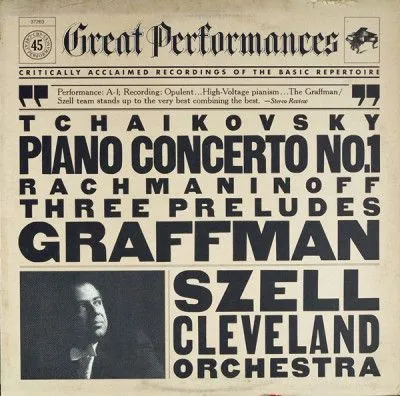
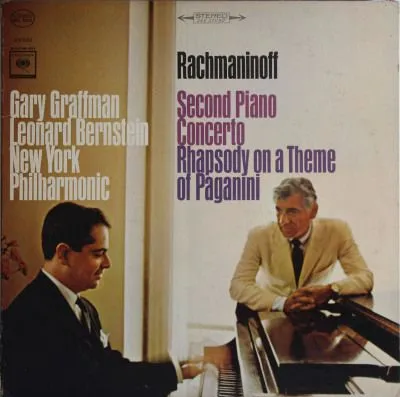
Gary Graffman (born October 14, 1928) is an American classical pianist, teacher of piano and music administrator.Graffman was born in New York City to Russian-Jewish parents. Having started piano at age 3, Graffman entered the Curtis Institute of Music at age 7 in 1936 as a piano student of Isabelle Vengerova. After graduating from Curtis in 1946, he made his professional solo debut with conductor Eugene Ormandy and the Philadelphia Orchestra. By age 20, Graffman had made a name for himself worldwide as a classical pianist. In 1949, he won the prestigious Leventritt Competition. He then furthered his piano studies with Rudolf Serkin at the Marlboro Music Festival and informally with Vladimir Horowitz. Upon graduation he played with numerous orchestras and performed concerts and recitals internationally. Over the next three decades, he toured and recorded extensively, performing solo and with orchestras around the globe. In 1964, he recorded Rachmaninoff's Rhapsody on a Theme of Paganini with Leonard Bernsteinconducting the New York Philharmonic. He also made a classic recording of Prokofiev's Third Piano Concerto with George Szell and the Cleveland Orchestra in 1966; it was reissued on CD as part of Sony Classical's "Great Performances" series in 2006. Probably Graffman's most famous recorded performance was for the soundtrack of the 1979 Woody Allen movie Manhattan in which he played George Gershwin's Rhapsody In Blue, accompanied by the New York Philharmonic. Portions of the Philharmonic/Graffman version have been featured countless times in TV and movies over the last quarter century. In 1977, he sprained the ring finger of his right hand. Because of this injury he began re-fingering some passages for that hand in such a way as to avoid using the affected finger. Unfortunately, this altered technique exacerbated the injury rather than ameliorating it, ultimately forcing him to stop using his right hand altogether by around 1979. This setback encouraged him to pursue other interests such as writing, photography, and Oriental art. In 1980, he joined the faculty at the Curtis Institute where his career had begun. He took over as the school's director in 1986, and added the title of President in 1995, serving in both capacities through May 2006. He continues on the faculty at Curtis teaching piano. More recent evidence suggests that Graffman's finger sprain may have been a trigger for focal dystonia, a neurological disorder that causes loss of function and uncontrollable curling in the fingers. The pianist Leon Fleisher, a close friend of Graffman's, suffers from the disorder as well. Shortly after joining the Curtis faculty, he published a memoir, I Really Should Be Practicing. In 1985 he gave the UK premiere of Erich Wolfgang Korngold's Piano Concerto in C-sharp for the Left Hand. Paul Wittgenstein had commissioned the work in the 1920s and played it many times, but it later slipped from the repertoire. Seven left-hand works have been commissioned for Graffman. In 1993, for example, he performed the world premiere of Ned Rorem's Piano Concerto No. 4, written specifically for the left hand, and in 2001 he premiered Daron Hagen's concerto Seven Last Words. The American composer William Bolcom composed Gaea, a concerto for two pianos, left hand for Graffman and Leon Fleisher. It received its first performance in Baltimore in April 1996. The concerto is constructed in such a way that it can be performed in one of three ways, with either piano part alone with reduced orchestra, or with both piano parts and the two reduced orchestras combined into a full orchestra. Through his longstanding service and devotion to music, Graffman has received honorary doctoral degrees, was honored by the cities of Philadelphia and New York, and received the Governor's Arts Award by the Commonwealth of Pennsylvania. In addition to his administrative responsibilities, Graffman remains active as a teacher and coach of piano and chamber music. His notable students include the piano virtuosos Lydia Artymiw, Lang Lang, Yuja Wang, and Haochen Zhang.