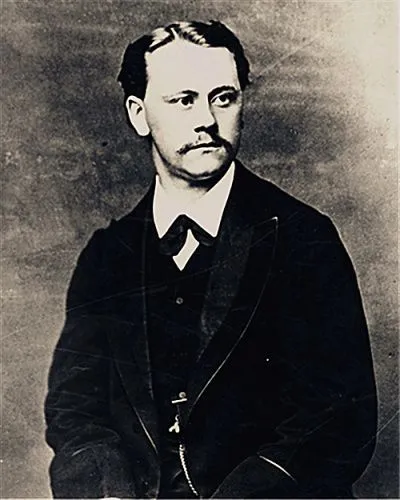
Henri Duparc 亨利·迪帕克
亨利·迪帕克
H·Duparc / H·迪帕克地区法国
类型个人
职业作曲
艺人资料
法国作曲家。出生于巴黎。早年跟随弗兰克学习钢琴并成为弗兰克最初的一批作曲学生之一,1871年,与圣桑等人一起成立了民族现代音乐协会并任书记。但是在1885年,他由于长期受神经衰弱困扰辞去职务,并开始隐居,后来与作曲家克哈斯成为好友。1885年后他几乎停止作曲,并将注意力转向绘画。晚年他双目失明并毁掉了自己的许多作品,最后只留下大约40部作品。1933年他在蒙德马桑去世。在他留下来的少数作品中,最重要的是10余首艺术歌曲。这些歌曲具有强烈的戏剧性和诗意,歌词与音乐密不可分,是法语艺术歌曲中不可多得的杰作,对后世影响很大。
Eugène Marie Henri Fouques Duparc(21 January 1848 – 12 February 1933) was aFrenchcomposerof the lateRomantic period.
Biography
Son of Charles Fouques-Duparc and Amélie de Guaita. Henri Fouques-Duparc was born inParis. He studied piano withCésar Franckat the Jesuit College in the Vaugirard district and became one of his first composition pupils. Following military service in theFranco-Prussian War, he married Ellen MacSwinney, from Scotland, on 9 November 1871. In the same year, he joinedSaint-SaënsandRomain Bussineto found theSociété Nationale de Musique.
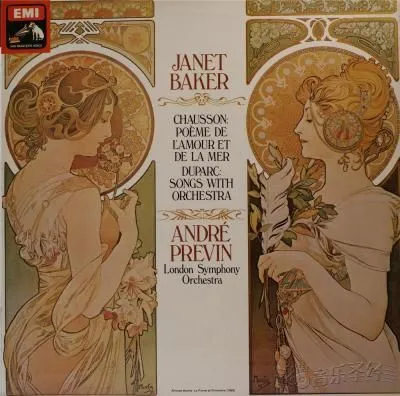
Duparc is best known for his 17mélodies("art songs"), with texts by poets such asBaudelaire,Gautier,Leconte de LisleandGoethe.
A mental illness, diagnosed at the time as "neurasthenia", caused him abruptly to cease composing at age 37, in 1885. He devoted himself to his family and his other passions, drawing and painting. But increasing vision loss after the turn of the century eventually led to total blindness. He destroyed most of his music, leaving fewer than 40 works to posterity. In a poignant letter about the destruction of his incomplete opera, dated 19 January 1922, to the composerJean Cras, his close friend, Duparc wrote:
“Après avoir vécu 25 ans dans un splendide rêve, toute idée de représentation m'était – je vous le répète – devenue odieuse. L'autre motif de cette destruction, que je ne regrette pas, c'est la complète transformation morale que Dieu a opéré en moi il y a 20 ans et qui en une seule minute a abolie toute ma vie passée. Dès lors, la Roussalka n'ayant aucun rapport avec ma vie nouvelle ne devait plus exister.
(Having lived for 25 years in a splendid dream, the whole idea of [musical] representation has become – I repeat to you – repugnant. The other reason for this destruction, which I do not regret, was the complete moral transformation that God imposed on me 20 years ago and which, in a single minute, obliterated all of my past life. Since then, [my opera]Roussalka, not having any connection with my new life, should no longer exist.)”
He spent most of the rest of his life inLa Tour-de-Peilz, nearVevey,Switzerland, and died inMont-de-Marsan, in southwestern France, at age 85.
Duparc is buried atPère Lachaise Cemeteryin Paris. A square in the17th arrondissementof Paris, near the rue de Levis, is named in his honor.