鲍里斯·克里斯朵夫 Boris Christoff
鲍里斯·克里斯朵夫
B·Christoff / B·克里斯朵夫RegionBulgaria
TypeSolo
ProfessionBass
Artist Profile
简介Biography
鲍里斯·查哈罗夫(Boris Zakharoff,1887-1943),俄罗斯钢琴家,“十月革命”前考入圣彼得堡国立音乐学院钢琴系,跟随莱谢蒂斯基学派的艾希波瓦学琴,与后来的作曲家普罗科菲耶夫(普罗科菲耶夫曾把自己的作品《C大调前奏曲》献给他)和钢琴家涅高兹为同窗好友,后又随戈多夫斯基学过 一段时间。毕业后在母校任教七年。
20世纪20年代,查哈罗夫与妻子汉森(丹麦裔俄罗斯人,小提琴家,她受教于音乐史上 最优秀的小提琴师之一,培养出海菲兹、 津巴利斯特、埃尔曼和帕尔洛等许多世界顶级小提琴家的奥尔Leopold Auer )联袂作环球巡演。在中国上海巡演时,遂单身定居此地。1929年,经工部局乐队首席小提琴富华推荐,由校长萧友梅聘请,任上海国立音乐专科学校特约教授兼钢琴科主任,任教十二年。查氏教学向以严格著称,培养出李翠真、李献敏、丁善德、江定仙、巫一丹、范继森、吴乐懿等钢琴演奏人才,也是新中国第一批钢琴教育骨干。他还以演奏家身份活跃于20世纪三四十年代的上海乐坛,经常参加学校音乐活动,工部局乐队定期演奏会,查哈罗夫是20世纪上海乐坛的“重量级人物”。1943年,在经济和疾病的双重打击下,查哈罗夫病逝于上海,葬于上海萨坡赛路(今淡水路)俄侨公墓,学生吴乐懿于当年5月8日为其举行纪念音乐会,为其筹资建墓。
上海任教
1921年, 查哈罗夫放弃教授的职位,给妻子汉森伴奏,在全世界巡回演出,八年间他们遍游了欧洲、美洲和亚洲。后来他们来到中国演出,先是在哈尔滨,后在上海。当时上海的俄侨已有几万人,他遇见不少熟人,在音乐圈里更是遇到了一些朋友,于是他决定留在上海,而他的妻子不愿留下,她要继续进行巡回演出,因此俩人便各奔东西。
1929年,恰逢国立上海音乐专科学校改组,经上海工部局乐队意大利籍首席小提琴家富华(FoaA.后任“上海音专"小提琴系主任)的推荐,受时任“上海音专校长萧友梅所聘,查哈罗夫成为“上海音专"成立后的首任钢琴系主任,这也是中国的第一个钢琴系。它的建立标志了中国真正开始了培养专业钢琴演奏人才的历史,也标志了西方钢琴艺术在中国有了系统传播的基地,从此中国专业钢琴教育开始纳入了正规化的教学体系。”
其时适逢上海国立音专正缺钢琴教师,萧友梅校长亲自多次请他任教,初时,他态度做慢,以冷言蔑视的口吻说:“中国钢琴学生好比刚刚出生 的婴儿,用得着我去给他们上课吗?”后来因萧先生“三顾茅庐”,以诚相待,他终于被感动面应聘,担任音专钢琴科主科教授,萧先生允诺他只教7个学生,月薪400银元,高于其他教12个学生的教师工资的两倍。
在他的指导和影响下,学校的钢琴教学焕然一新,后来他的学生李翠贞、范继森、吴乐懿先后任该钢琴系主任,形成了中国的“上海钢琴学派”。正是在萧友梅和查哈罗夫等人的共同努力下,才使中国原来整体处于较低水平的钢琴演奏,迅速提升到一个较高的水平层次上,这是中国钢琴教育史上一次突破性飞跃,并对中国今后的钢琴音乐教育产生了极其深远的影响。“可以这样说,中国钢琴艺术的传统基本起源于俄罗斯钢琴学派的演奏美学理念,查哈罗夫对于中国专业钢琴教育的发展有着重要贡献。”
摘自:https://www.sin80.com/artist/boris-zakharoff
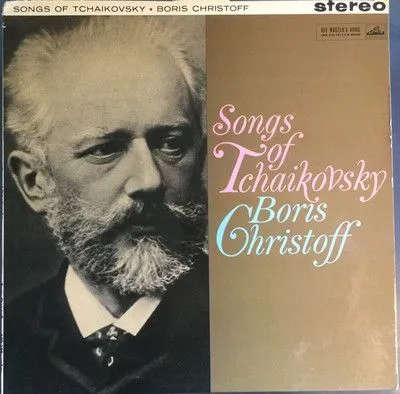
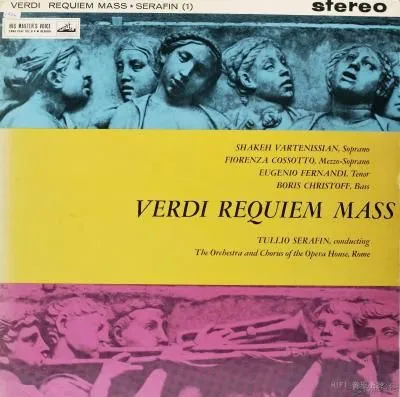
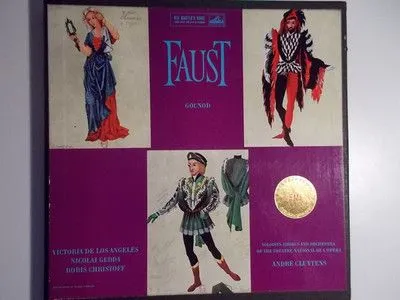
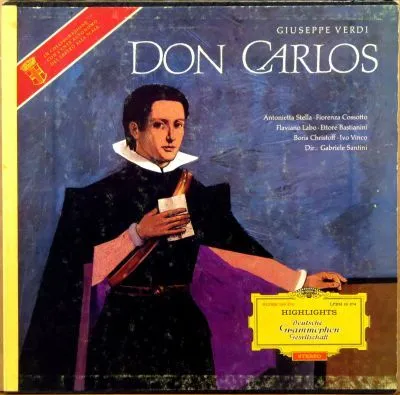
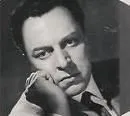
Boris Christoff (born 18 May 1914 – 28 June 1993) was a Bulgarian opera singer, widely considered one of the greatest basses of the 20th century.Born in Plovdiv, Christoff demonstrated early his singing talent and sang as a boy at the choir of the Alexander Nevsky Cathedral, Sofia. In the late 1930s he graduated in law and started a career as a magistrate. He continued singing in his spare time in the Gusla Chorus in Sofia, achieving an enormous success as the chorus soloist in 1940. Thanks to a government grant, Christoff left in May 1942 for Italy where he was tutored for two years in the core Italian bass repertoire by the great baritone of an earlier generation, Riccardo Stracciari.After several guest appearances and recitals in Austria in 1944 and 1945, Christoff returned to Italy in December 1945. He made his operatic debut as Colline in La bohème at Reggio Calabria on 12 March 1946. In following years Christoff appeared in a number of roles at Milan's La Scala, Venice's La Fenice, the Rome Opera, Covent Garden in London, the opera theatres in Naples, Barcelona, Lisbon,Rio de Janeiro, etc. In 1950 he was invited to sing at the Metropolitan Opera in New York City but was refused entry into the USA as a result of the McCarran Immigration Act, which banned citizens of Eastern bloc countries from entering the country. The role was instead filled by the young Italian basso, Cesare Siepi. After the restrictions were loosened, Christoff made an operatic debut in the United States in 1956 at the San Francisco Opera. He refused any further invitations to the Metropolitan and never appeared there. After a brief absence from the scene due to brain tumour surgery in 1964, Christoff resumed his career in 1965, though at a much slower pace. In 1967 he was allowed to return to Bulgaria for the first time since 1945, for the funeral of his mother. In the 1970s Christoff on-stage performances were all but frequent.He brought his career to an end with a final concert at the Accademia di Bulgaria in Rome on 22 June 1986. He died in Rome in 1993 and his body was returned to Bulgaria, where he was given a state funeral and buried in Sofia's Alexander Nevsky Cathedral. Christoff had an excellent voice with a distinctive dark tone. Although it was not as large as some other bass voices, he had no trouble making an impact in big auditoria, like the San Francisco Opera. Owing to his stage presence and dramatic temperament, he was a worthy heir to the grand tradition of Slavonic basses exemplified by Fyodor Stravinsky, Lev Sibiriakov, Vladimir Kastorsky, Feodor Chaliapin, Alexander Kipnis and Mark Reizen, among others. He sang mostly in Verdiand the Russian repertoire, and was also a refined performer of vocal chamber music. Christoff made studio recordings of eight operas (Don Carlo, Boris Godunov and Faust twice each) and numerous live recordings (radio or stage performances). He was much admired as song singer and he recorded more than 200 Russian songs by Mussorgsky (he was the first to record all his 63 songs), Tchaikovsky, Rimsky-Korsakov, Glinka, Borodin, Cui, Balakirev as well as traditional songs, mostly with piano accompaniment. He initiated the tradition of making studio recordings of Boris Godunov with the same basso singing three roles (Boris, Varlaam, Pimen). While he was a grand performer on stage, Christoff had difficult off-stage relations with fellow singers and producers, which sometimes grew into public scandals. In 1955 he fell out with Maria Callas during the performances of Medea at the Rome Opera and in 1961 his contract with La Scala was terminated after an open conflict with fellow Bulgarian Nicolai Ghiaurov whom Christoff blamed for collaborating with the Bulgarian communist regime. Herbert von Karajan tried to make him sing the title role in Don Giovanni which would have been inappropriate for his range; this prompted him to sever relations with von Karajan.He was the brother-in-law of the Italian baritone Tito Gobbi.