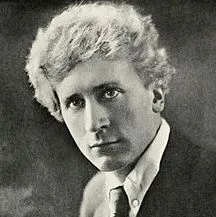
珀西·格兰杰 Percy Grainger
珀西·格兰杰
P·Grainger / P·格兰杰RegionAustralia
TypeSolo
ProfessionComposer, Pianist, Saxophonist
Artist Profile
澳大利亚钢琴家,作曲家,萨克斯管演奏家。出生于澳大利亚的墨尔本。父亲是一名建筑师。小时候格兰杰在学校适应不良,母亲便肩负起教育格兰杰的工作。1892年,10岁的格兰杰首次在演奏会上露面。12岁时便开始巡回演奏。1895年随母亲到德国法兰克福学习钢琴及作曲。1901年定居伦敦,与弗雷德里克·戴留斯成为莫逆之交,并曾师从于布索尼。1906年在伦敦结识格里格,格里格非常赏识格兰杰的演奏,邀请他去挪威对其“a小调钢琴协奏曲”进行专门研究,后来格兰杰一直是这部作品的出色解释者。格兰杰在纽约首次演出是1914年,其后便在美国安家。虽然他的作品中以“牧羊人的呼唤”一类根据传统曲调而写的轻快乐曲最为著名,但像“沙洛·布朗”那样由民歌改编的合唱曲也是别出心裁而令人难忘,并得到过布里顿的赞扬。他毕其一生从事试验探索,是一个颇为古怪而又十分活泼、很有鼓动性的人物。他不用意大利文在乐谱上批示速度等等,代之以口语化英文,早在1937年他已为初创的电子乐器写作。晚年他为实现自己称为的“自由音乐”而努力(摆脱由和声、调式、节奏等一类传统作曲方式及概念实现而来的音乐,自由自在实现的音乐),并参与研究设计了一些实现“自由音乐”的乐器。1961年在纽约去世。
George Percy Aldridge Grainger(8 July 1882– 20 February 1961) was an Australian-born composer, arranger and pianist. In the course of a long and innovative career, he played a prominent role in the revival of interest in British folk music in the early years of the 20th century. Although much of his work was experimental and unusual, the piece with which he is most generally associated is his piano arrangement of the folk-dance tune "Country Gardens".
Grainger left Australia at the age of 13 to attend the Hoch Conservatory in Frankfurt. Between 1901 and 1914 he was based in London, where he established himself first as a society pianist and later as a concert performer, composer and collector of original folk melodies. As his reputation grew he met many of the significant figures in European music, forming important friendships with Frederick Delius and Edvard Grieg. He became a champion of Nordic music and culture, his enthusiasm for which he often expressed in private letters, sometimes in crudely racial or anti-Semitic terms.
In 1914, Grainger moved to the United States, where he lived for the rest of his life, though he travelled widely in Europe and in Australia. He served briefly as a bandsman in the United States Army during 1917–18, and took American citizenship in 1918. After his mother's suicide in 1922 he became increasingly involved in educational work. He also experimented with music machines that he hoped would supersede human interpretation. In the 1930s he set up the Grainger Museum in Melbourne, his birthplace, as a monument to his life and works and as a future research archive. As he grew older he continued to give concerts and to revise and rearrange his own compositions, while writing little new music. After the Second World War, ill health reduced his levels of activity, and he considered his career a failure. He gave his last concert in 1960, less than a year before his death.
From:https://en.wikipedia.org/wiki/Percy Grainger