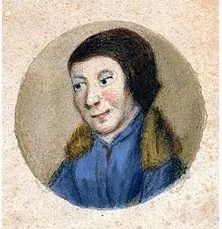
吉尔·班舒瓦 Gilles Binchois
吉尔·班舒瓦
G·Binchois / G·班舒瓦RegionFrance
TypeSolo
ProfessionComposer
Artist Profile
吉尔•本舒瓦(Gilles Binchois, 约1400~1460)是与杜费同时期的另一位杰出的勃艮第乐派的作曲家。他早年从军,同时学习音乐。大约从15世纪30年代到1453年,他先后服务于勃艮第宫廷和“好人”菲利普公爵的小教堂。他很擅长写作世俗音乐。他的尚松用复调手法为法语的世俗诗歌谱曲,经常表现出一种温柔的忧郁和感官的渴望,旋律十分动听,音响的色彩清晰而明快,有很多属于15世纪最著名和流传最广的作品。在尚松中,他最爱用的形式是回旋歌和叙事歌,常用三个声部,织体以高音部为主导,这个声部通常以一个音节式的陈述乐句开始,在靠近终止的时候产生出一个华丽的花腔段落。
Gilles de Binche(calledBinchois; also known asGilles de Bins; ca. 1400 – 20 September 1460), was a composer from theLow Countries, one of the earliest members of theBurgundian schooland one of the three most famous composers of the early 15th century. While often ranked behind his contemporariesGuillaume DufayandJohn Dunstableby contemporary scholars, his works were still cited, borrowed and used as source material after his death.
Life
Binchois was probably fromMons, the son of Jean and Johanna de Binche, who may have been from the nearby town ofBinche. His father was a councillor to Duke Guillaume IV of Hainault, and also worked in a church in Mons. Nothing is known about Gilles until 1419, when he became organist at the church of Ste. Waudru in Mons. In 1423 went to live inLille. Around this time he may have been a soldier in the service of either the Burgundians or the EnglishEarl of Suffolk, as indicated by a line in the funeral motet composed in his memory byOckeghem. Sometime near the end of the 1420s he joined the court chapel of Burgundy, and by the time of his motetNove cantum melodie(1432) he was evidently a singer there, since the text of the motet itself lists all 19 singers in place at that time. He eventually retired inSoignies, evidently with a substantial pension for his long years of excellent service to the Burgundian court.
Music and influence
Binchois is often considered[by whom?]to be the finest melodist of the 15th century, writing carefully shaped lines which are not only easy to sing but utterly memorable. His tunes appeared in copies decades after his death, and were often used as sources forMasscomposition by later composers. Most of his music, even his sacred music, is simple and clear in outline, sometimes even ascetic; a greater contrast between Binchois and the extreme complexity of thears subtiliorof the prior (fourteenth) century would be hard to imagine. Most of his secular songs arerondeaux, which became the most common song form during the century. He rarely wrote instrophic form, and his melodies are generally independent of the rhyme scheme of the verses they are set to. Binchois wrote music for the court, secular songs of love andchivalrythat met the expectations and satisfied the taste of the Dukes ofBurgundywho employed him, and evidently loved his music accordingly. About half of his extant secular music is found in the manuscript Oxford, Bodleian Library MS Canon. misc. 213.