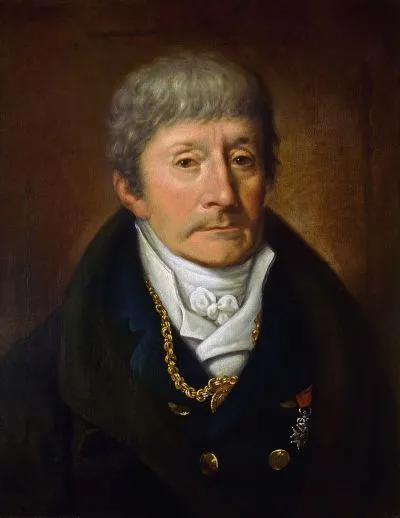
安东尼奥·萨列里 Antonio Salieri
安东尼奥·萨列里
A·Salieri / A·萨列里RegionItaly
TypeSolo
ProfessionComposer
Artist Profile
意大利作曲家。出生于莱尼亚戈。小时候师从其兄学习音乐,后在威尼斯的圣马可歌唱学校学习。1766年来到维也纳,1770年任宫廷歌剧院的指挥,并演出了他的第一部歌剧。此后他连续写了9部歌剧。1774年,他任宫廷作曲家和意大利歌剧指挥的职位。1778年他回到意大利,为威尼斯、罗马和米兰等地的歌剧院写作歌剧。1784年由于格鲁克的帮助,他的歌剧“斑蝶”得以在巴黎上演,获得成功。1788年开始担任维也纳宫廷乐长,专心指挥宫廷合唱团,直到退休。他是维也纳第一所音乐学院——1817年成立的演唱学院的院长。他同时还是一名成功的教师,他的学生有贝多芬、舒伯特和李斯特等。他的社会地位显赫,来往交接不外乎权贵和文化界名流。凡是牵涉到1775年以后维也纳音乐生活的大事,几乎处处都能感受到萨列里的参与和影响。就是这样的一个音乐权威,死后却蒙受了不白之冤,从他生前就开始逐渐流传一个谣言:莫扎特是被他毒死的。好事之徒口口相传,普希金据此传说写成一部诗剧,电影莫扎特传也对此有所描述。不过这个谣传却并无任何事实依据的支持。萨列里是个多产的作曲家,前后写过40多部歌剧、4部清唱剧和大量教堂音乐。
Antonio Salieri (18 August 1750 – 7 May 1825) was an Italian classical composer, conductor, and teacher. He was born in Legnago, south of Verona, in the Republic of Venice, and spent his adult life and career as a subject of the Habsburg Monarchy. Salieri was a pivotal figure in the development of late 18th-century opera. As a student of Florian Leopold Gassmann's, and aprotégé of Gluck's, Salieri was a cosmopolitan composer who wrote operas in three languages. Salieri helped to develop and shape many of the features of operatic compositional vocabulary, and his music was a powerful influence on contemporary composers. Appointed the director of the Italian opera by the Habsburg court, a post he held from 1774 until 1792, Salieri dominated Italian language opera in Vienna. During his career he also spent time writing works for opera houses in Paris, Rome, and Venice, and his dramatic works were widely performed throughout Europe during his lifetime. As the Austrian imperial Kapellmeister from 1788 to 1824, he was responsible for music at the court chapel and attached school. Even as his works dropped from performance, and he wrote no new operas after 1804, he still remained one of the most important and sought-after teachers of his generation, and his influence was felt in every aspect of Vienna's musical life. Franz Liszt, Franz Schubert, andLudwig van Beethoven were among the most famous of his pupils. Salieri's music slowly disappeared from the repertoire between 1800 and 1868 and was rarely heard after that period until the revival of his fame in the late 20th century. This revival was due to the dramatic and highly fictionalized depiction of Salieri in Peter Shaffer's play Amadeus (1979) and its 1984 film version. His music today has regained some modest popularity via recordings. He is popularly remembered as a supposedly bitter rival of Wolfgang Amadeus Mozart. This includes rumours that Salieri murdered Mozart out of jealousy, when in reality, they were at least respectful peers.
https://en.wikipedia.org/wiki/'>https://en.wikipedia.org/wiki/Antonio Salieri