路易斯·德·米兰 Luis de Milan
路易斯·德·米兰
L·D·Milán / L·D·米兰RegionSpain
TypeSolo
ProfessionComposer
Artist Profile
西班牙作曲家,比维拉琴演奏家,音乐作家。他是历史上第一位出版比维拉琴作品的作曲家。他大概一生都在瓦伦西亚度过。大约直到1538年前都在公爵的宫廷服务。1535年出版了自己的第一本书。1536年出版了历史上第1册比维拉琴作品集,其中的乐曲按照由易到难的顺序排列,包括有40多首幻想曲、6首帕凡舞曲、12首比良西科等。米兰与穆达拉、纳尔瓦埃斯同为西班牙16世纪最著名的比维拉琴演奏家。如今由于米兰的作品非常容易被改编为吉他曲而在吉他演奏者之间颇为流行。
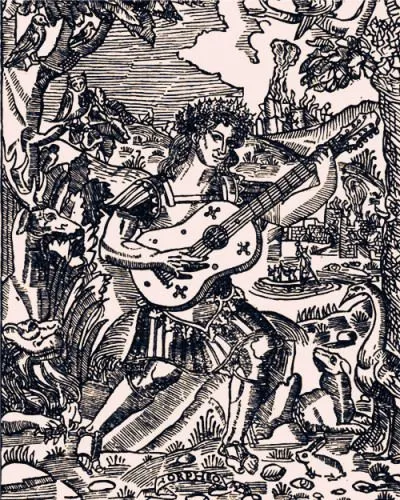
Luis de Milán(also known asLluís del MilàorLuys Milán) (c. 1500 – c. 1561) was aSpanishRenaissancecomposer,vihuelist, and writer on music. He was the first composer in history to publish music for thevihuelade mano, an instrument employed primarily in the Iberian peninsula and some of the Italian states during the 15th and 16th centuries, and he was also one of the first musicians to specify verbaltempoindications in his music.
He probably lived all his life in Valencia, though details are sketchy at best. He seems to have been employed by the ducal court until around 1538. In 1535 he published his first book, a parlor game with music, entitled El juego de mandar; in the next year he published what was to be his most important book, Libro de música de vihuela de mano intitulado El maestro. This book was dedicated to King John III of Portugal; this dedication, and the existence of six villancicos which Milán wrote in Portuguese, suggest that he may have traveled to that country and spent some time there.
The book is the first collection of vihuela music in history. It may have been intended as a book for students of the vihuela. The music is presented in grades from simple to complex, so that a beginning vihuelist can proceed from elementary to gradually more complicated pieces as he learns. It contains more than forty fantasias, six pavans, twelve villancicos, as well as sonetos (settings of Italian sonnets), and other pieces; some of the pieces are for solo vihuela, and others for voice accompanied by vihuela. Many are of considerable virtuosity, though not all the ornamentation is provided in detail. The style of the compositions varies from simple homophony to polyphony and virtuoso passage-work; unusual chromaticism also occurs, including strange double-inflections which were quite rare in music from other parts of Europe at the same time. It appears that the book was prepared with great care; alternate passages are given for players who wish to avoid more virtuosic parts, sections of pieces are indicated as optional, and he provided verbal tempo indications, for example ni muy apriessa ni muy a espacio sino con un compás bien mesurado ("neither too quickly nor too slowly, but with a moderate measure"). Half of the villancicos are in Castilian Spanish, and half are in Portuguese.
His last publication, El cortesano (1561), modeled on Il Cortegiano by Baldassare Castiglione, gives a vivid and entertaining picture of life in the Valencian ducal court. While it contains no music, it is a valuable account by a professional musician at the time.
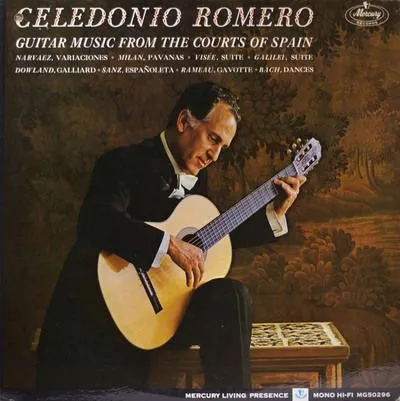
The music of Luis Milan is popular with performers on the present-day classical guitar because it can be adapted very easily to their instrument.