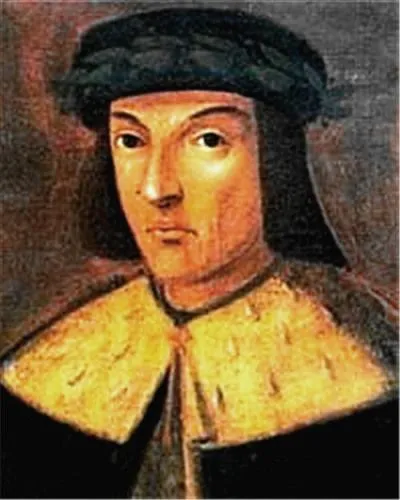
阿朗索·穆达拉 Alonso Mudarra
阿朗索·穆达拉
A·Mudarra / A·穆达拉RegionSpain
TypeSolo
ProfessionComposer
Artist Profile
西班牙比维拉琴演奏家,作曲家。出生于巴伦西亚附近,在瓜达拉哈拉长大并接受音乐教育。他可能在1529年跟随查理五世去过意大利,回到西班牙后成为一名牧师。1546年开始在塞维利亚大教堂任职法政牧师,并指导各种音乐事务:包括聘用器乐演奏家、购买和组装新的管风琴、与作曲家圭雷罗密切合作举办艺术节活动等。1580年穆达拉在塞维利亚去世。按照他的遗嘱,他的一笔数目可观的遗产被捐赠给了这座城市的穷人。穆达拉与米兰、纳尔瓦埃斯同为西班牙16世纪最著名的比维拉琴演奏家。同时穆达拉还是为吉他创作作品存世最早的作曲家。
Alonso Mudarra (c. 1510 – April 1, 1580) was a Spanish composer of the Renaissance, and also played thevihuela, a guitar-shaped string instrument. He was an innovative composer of instrumental music as well as songs, and was the composer of the earliest surviving music for the guitar. The place of his birth is not recorded, but he grew up in Guadalajara, and probably received his musical training there. He most likely went to Italy in 1529 with Charles V, in the company of the fourth Duke of the Infantado, Íñigo López de Mendoza, marqués de Santillana. When he returned to Spain he became a priest, receiving the post of canon at the cathedral in Seville in 1546, where he remained for the rest of his life. While at the cathedral, he directed all of the musical activities; many records remain of his musical activities there, which included hiring instrumentalists, buying and assembling a new organ, and working closely with composer Francisco Guerrero for various festivities. Mudarra died in Seville, and his sizable fortune was distributed to the poor of the city according to his will. Mudarra wrote numerous pieces for the vihuela and the four-course guitar, all contained in the collection Tres libros de musica en cifras para vihuela ("Three books of music in numbers for vihuela"), which he published on December 7, 1546 in Seville. These three books contain the first music ever published for the four-course guitar, which was then a relatively new instrument. The second book is noteworthy in that it contains eight multi-movement works, all arranged by "tono", or mode. Compositions represented in this publication include fantasias, variations (including a set on La Folia), tientos, pavanes and galliards, and songs. Modern listeners are probably most familiar with his Fantasia X, which has been a concert and recording mainstay for many years. The songs are in Latin, Spanish and Italian, and include romances, canciones (songs),villancicos, (popular songs) and sonetos (sonnets). Another innovation was the use of different signs for different tempos: slow, medium, and fast. https://en.wikipedia.org/wiki/Alonso_Mudarra'>https://en.wikipedia.org/wiki/Alonso_Mudarra