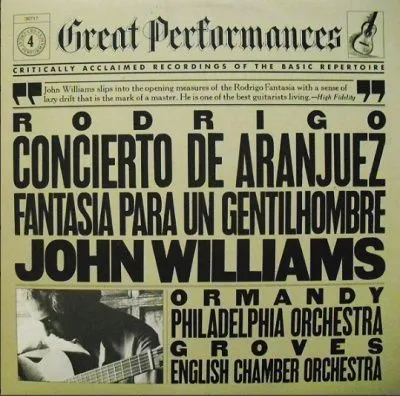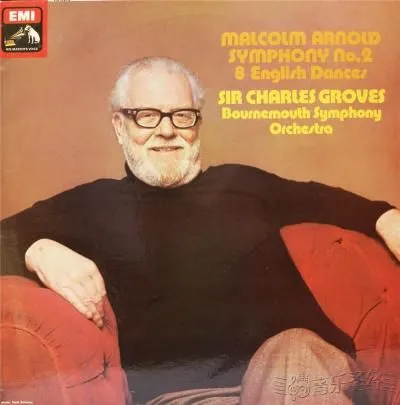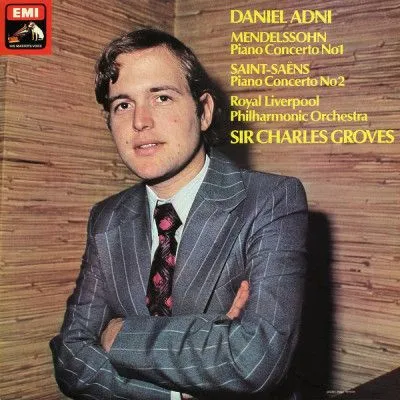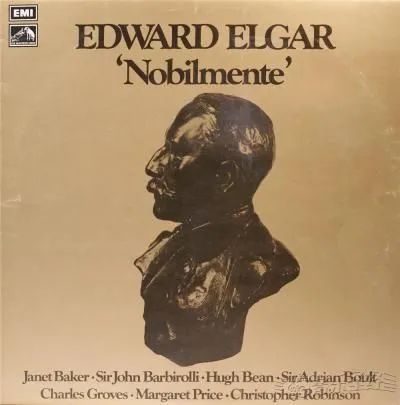
查理斯·格罗夫斯 Charles Groves
查理斯·格罗夫斯
C·Groves / C·格罗夫斯TypeSolo
ProfessionPianist, HARPSICHORD, Conductor
Artist Profile
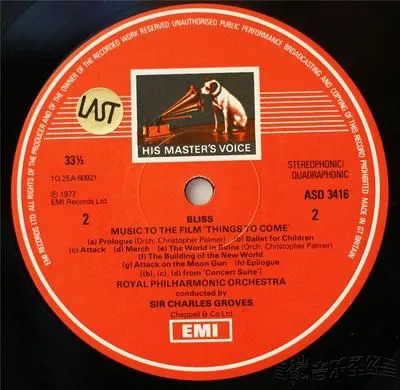
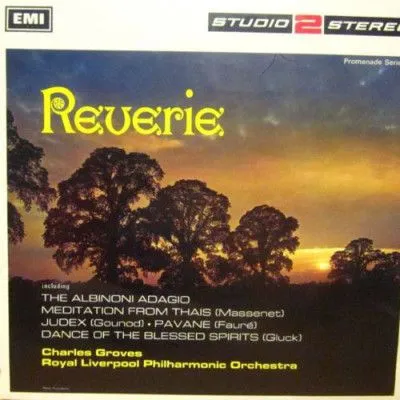
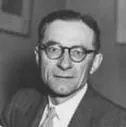
Sir Charles Barnard Groves CBE (10 March 1915 – 20 June 1992) was an English conductor. He was known for the breadth of his repertoire and for encouraging contemporary composers and young conductors. After accompanying positions and conducting various orchestras and studio work for the BBC, Groves spent a decade as conductor of the Bournemouth Symphony Orchestra. His best-known musical directorship was of the Royal Liverpool Philharmonic Orchestra, beginning in 1963, with which he made most of his recordings. From 1967 until his death, Groves was associate conductor of theRoyal Philharmonic Orchestra, and in the 1970s he was one of the regular conductors of the Last Night of the Proms. He also served as president of the National Youth Orchestra from 1977, and, during the last decade of his life, as guest conductor for orchestras around the world. Groves was born in London, the only child of Frederick Groves and Annie (née Whitehead). He was a pupil at St Paul's Cathedral School (where a house is now named after him), singing in the Cathedral choir and, from the age of 13, studying the piano and organ. Music was already important to him as a solace, as he was orphaned at the age of ten – his father having died in 1921 from injuries received in World War I and his mother having died four years later. From 1930 until 1932 he was a pupil at Sutton Valence School, in Kent, where Groves Hall is named in honour of him. After leaving Sutton Valence School he attended theRoyal College of Music. There, his main studies were in lieder and accompanying, but he became involved in student opera productions as a répétiteur. He was naturally gifted with great fluency and the ability to sight read almost any music, but confessed, years later, to having been lazy about his piano studies, and he abandoned his ambitions to become a concert pianist. He played in the percussion section for Vaughan Williams's Hugh the Drover and Delius's A Village Romeo and Juliet when Sir Thomas Beecham performed as guest conductor at the College. Groves also went into the conducting class, but did not progress beyond the third orchestra. In 1937, while still a student, he accompanied choral rehearsals of Brahms's German Requiem, Verdi's Requiem and Beethoven's Missa Solemnis under Arturo Toscanini. Groves began his professional career as a freelance accompanist, including work for the BBC. In 1938, he was appointed chorus master of the BBC Music Productions Unit under the direction of Stanford Robinson, where he worked on broadcast opera productions. At the outbreak of the Second World War, Groves was sent to Evesham, and later Bedford, England, to be resident chorus master for the BBC while it was evacuated from London. In 1943, he was invited to take charge of the BBC Revue Orchestra, playing mostly light music. During this time Groves conducted Weill's Lady in the Dark with Gertrude Lawrence in the lead role. Groves was conductor for the BBC Northern Orchestra in Manchester from 1944 to 1951, conducting several studio concerts every week, and thereby acquiring an exceptionally large repertoire. While in Manchester he met a BBC colleague, Hilary Barchard, whom he married in 1948. Feeling the need to move from studio-based work, Groves accepted the conductorship of the Bournemouth Symphony Orchestra from 1951 to 1961, which he conducted about 150 times each year. When financial difficulties led to a proposal to merge the Bournemouth and Birmingham orchestras, Groves supported the alternative proposition by which the Bournemouth orchestra took on the additional role of resident orchestra for the new Welsh National Opera, of which he became musical director from 1961 to 1963. Groves did much to establish that company's choral and orchestral traditions and conducted many performances of works then seldom staged, such as Verdi's I Lombardi and The Sicilian Vespers, which won critical acclaim and were brought to London. Groves is probably best known for his long tenure from 1963 to 1977 as Music Director and Principal Conductor of the Royal Liverpool Philharmonic Orchestra, conducting, as he said, "everything from the St John Passion to Messiaen and Stockhausen". He spent nine months of every year with the RLPO, where he greatly improved standards of playing. In the other three months he guest conducted concerts and operas in London and overseas. He took the RLPO on highly acclaimed tours of Germany and Switzerland in 1966 and 1968, and Poland in 1970. During his time in Liverpool, Groves instituted a series of seminars for young conductors, and those who made early appearances there included Andrew Davis, Mark Elder, John Eliot Gardiner, James Judd and Barry Wordsworth. At one seminar Groves noted the presence in the orchestra, as an extra percussion player, of a teenager named Simon Rattle. From 1967 until his death, Groves was associate conductor of the Royal Philharmonic Orchestra, which he led on a tour of the US In the 1970s he was one of the regular conductors of the Last Night of the Proms (others being Norman Del Mar and James Loughran). Groves was Music Director of the English National Opera in 1978–1979, but in spite of a well-received and rare revival of Weber's Euryanthe the appointment did not prove a success, and he relinquished the post the following year. He found combining administration with conducting too stressful for him. Groves also served as president of the National Youth Orchestra (1977–1992) and, especially during the last decade of his career, as guest conductor for numerous orchestras around the world. In 1984, he joined the English Sinfonia as president and artistic adviser, later also becoming principal conductor of the Guildford Philharmonic (1987) and music director of the Leeds Philharmonic Society (1988).