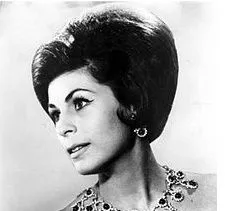
Roberta Peters 罗贝塔·彼得斯
罗贝塔·彼得斯
R·Peters / R·彼得斯地區美国
類型个人
職業女高音
藝人資料
简介Biography
罗贝塔·彼德丝(Roberta Peters,1930-2017),美国著名花腔女高音歌唱家,犹太裔,1950年首演于纽约大都会,扮演莫扎特《唐·乔万尼》(唐璜)中的采林娜,她那美妙的花腔大受欢迎,一举成为继阿梅利塔·加利-库奇和莉丽·庞斯后最受欢迎的花腔女高音。
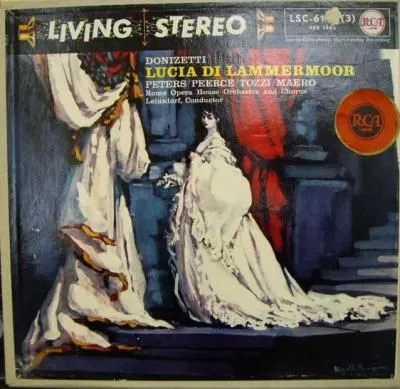
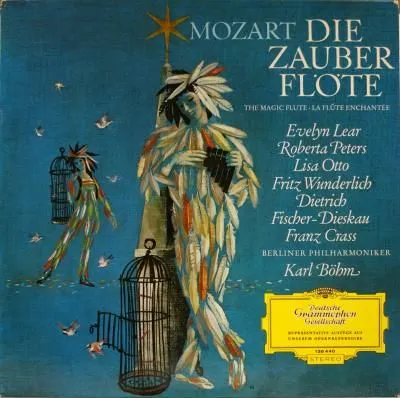
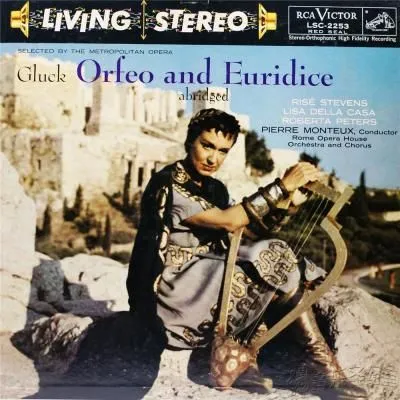
彼德丝她比原计划提前出道。1950年11月17日大都会歌剧院演出《唐璜》饰演采林娜的女高音Nadine Conner病了,在开演前几个小时宾格打电话给彼德丝问她能否演唱,之前彼德丝还重来没有在舞台演出过,因此作为非正式替补救场演出了了采林娜,她那俏丽美妙的花腔大受欢迎,在那一刻,一个明星的诞生了。彼德丝小姐也开始了她漫长的职业生涯。因美妙的技巧和良好的外表,彼德丝成为大都会的宠儿,在35(1950-1985)年中 彼德丝成为大都会歌剧院的头牌女角,在大都会扮演过24个角色,共演出514场,扮演角色包括:采林娜、夜后、罗西娜、劳莱塔、黛斯皮娜、吉尔达、布隆德、帕帕丽娜(费加罗的婚礼)、苏珊娜、索菲、诺丽娜、牧童(唐豪塞)、奥斯卡(假面舞会)、菲尔凯米莉(阿拉贝拉)、爱神(奥菲欧与犹丽狄茜)、奥琳匹娅、吉蒂、阿米娜、阿黛勒(蝙蝠)、朱丽叶、玛丽、南内塔、玛采林娜(费黛里奥)、泽比内塔、露契亚与阿迪娜。彼德丝也频繁出现在芝加哥歌剧院,旧金山歌剧院,辛辛那提歌剧院 伦敦皇家歌剧院,萨尔斯堡音乐节,莫斯科大剧院等等美国及世界各大剧院,上演了费泽琳娜、拉克美、琳达、曼侬在科文特花园剧院首演扮演,巴尔夫的《波希米亚女郎》,在比彻姆指挥下演出于1951年。1961年又重返科文特花园剧院扮演吉尔达。中期她也唱些抒情角色如《茶花女》中的薇奥列塔,《波希米亚人》的咪咪、梅诺蒂的《最后一个野蛮人》在美国首演时吉蒂一角也是由彼德丝首创的。她在1985年演出弄臣告别了大都会,但在其它城市任然演出歌剧,在她的职业生涯中除了歌剧还演唱轻歌剧和音乐剧的剧目,如《风流寡妇》《国王与我》。彼德丝一直没有正式退休,仍偶尔举行音乐会。
她声音可塑性极好,善花腔,能抒情,可流行,每首曲子都能表现出声音的本质,这是她最难能可贵之处。她的嗓音纤细甜美,气息控制很棒,舞台形象也非常好,尽管声音轻薄纤细,但是因为位置高共鸣好所以相当集中,可以唱得极其灵巧且音质清,穿透力强。她的花腔轻巧灵活,水汪汪的音粒,颗粒状极好,花腔如天马行空,让人不由自主陶醉其间。
摘自:https://www.sin80.com/artist/roberta-peters
Roberta Peters (born May 4, 1930) is an American coloratura soprano.One of the most prominent American singers to achieve lasting fame and success in opera, Peters is noted for her 35-year association with the Metropolitan Opera Company in New York. She was awarded the National Medal of Arts in 1998. Peters was born Roberta Peterman in The Bronx, New York City, the only child of Ruth (née Hirsch) and Sol Peterman,a shoe salesman and a hat maker. Encouraged by tenor Jan Peerce, she started her music studies at age 13 with William Herman, a voice teacher known for his exacting and thorough teaching method. Under Herman's training, Peters studied the French, German and Italian languages and practiced singing scales from a clarinet method. After six years of training, Herman introduced her to impresario Sol Hurok, who arranged for an audition with Rudolf Bing, general manager of the Metropolitan Opera. Bing asked her to sing the Queen of the Night's second aria from The Magic Flute (with its four Fs above high C), seven times, listening from all parts of the hall to make sure she could fill the hall with sound. He scheduled her to sing the role in February 1951. Peters however made her debut earlier than planned. On November 17, 1950, Bing phoned her asking if she could step in to replace Nadine Conner, who was ill, as Zerlina in Don Giovanni. Peters who knew the role, but had not yet ever performed on stage, or even sung with a full orchestra, accepted. Fritz Reiner was the conductor that night. Despite a reputation for being distant and reserved, Reiner made a point of coming to Peters's dressing room to encourage her and guided her through the performance. Her performance was received with great enthusiasm, and her career was established. Combining an attractive voice with sparkling coloratura agility and good looks, Peters became a favorite of American audiences and a great proponent of opera for the masses. She quickly established herself in the standard soubrette and coloratura repertoire. Her roles at the Met included Susanna in Nozze di Figaro; Despina in Così fan tutte; The Queen of the Night in The Magic Flute; Amore in Gluck's Orfeo ed Euridice; Marzeline in Beethoven's Fidelio; Rosina in Il barbiere di Siviglia; Adina in L'elisir d'amore; Norina in Don Pasquale; Oscar in Un ballo in maschera; Nanetta in Falstaff; Olympia in Les contes d'Hoffmann; Sophie in Der Rosenkavalier; Zerbinetta in Ariadne auf Naxos; and Adele in Die Fledermaus. She later added lyric-coloratura roles such as Amina in La sonnambula, Lucia in Lucia di Lammermoor and Gilda in Rigoletto, the last being her farewell role at the Met in 1985. Peters also appeared frequently with the Lyric Opera of Chicago, the San Francisco Opera, and the Cincinnati Opera, as well as in numerous cities around the United States while on tour with the Met. Over the years, she expanded her repertoire to include roles such as Lakmé, Juliette in Roméo et Juliette, Massenet's Manon, even attempting occasionally Violetta in La traviata, and Mimì in La bohème. Peters also appeared abroad as early as 1951, when she sang at the Royal Opera House in London, in Balfe's The Bohemian Girl, conducted by Sir Thomas Beecham. From the mid-1950s onwards, she appeared in several opera houses in Italy, the Vienna State Opera, the Salzburg Festival, and the Bolshoi in Moscow, in 1972. Peters was as popular on television as on the stage. She appeared regularly on such programs as The Voice of Firestone and The Tonight Show. On the Sunday nightCBS variety program The Ed Sullivan Show, Peters was its most frequent guest, appearing a record 65 times. Peters also had an extensive career as a recitalist, appearing in concert halls throughout the United States. Early in her career in 1962, she performed before an audience of over 13,000 at the popular outdoor "Italian Night" concert series at Lewisohn Stadium in New York under the direction of conductor Alfredo Antonini. Later in her career she added operetta and musical theater to her repertoire, appearing in The Merry Widow, and The King and I. Peters has never officially retired and still gives occasional recitals.