Suzanne Danco 苏珊‧丹科
苏珊‧丹科
S·Danco / S·苏珊‧丹科地區比利时
類型个人
職業女高音
藝人資料
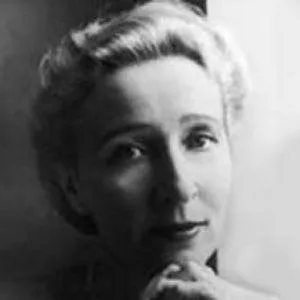
苏珊‧丹科(Suzanne Danco,1911-2000),比利时女高音歌唱家,1911年1月22日出生于布鲁塞尔,早年就读于布鲁塞尔皇家音乐学院,1936年赢得维也纳声乐比赛,由Erich Kleiber推荐到布拉格师从Fernando Carpi继续深造,1940年在意大利首演于音乐会,1941年作为莫扎特歌剧《Così fan tutte》中的Fiordiligi在热那亚歌剧院做了歌剧首演,从此开始了职业舞台生涯,20世纪40年代和50年代出现在欧洲大部份主要歌剧院,在斯卡拉歌剧院出演了Stravinsky《Oedipus Rex》中的Jocasta和《Peter Grimes》中的Ellen Orford,在圣卡罗歌剧院出演了《Wozzeck》中的Marie,在伦敦科文特英国皇家歌剧院出演了《La bohème》中的Mimi,在Glyndebourne艺术节和Aix-en-Provence艺术节上分别出演了Fiordiligi和Donna Elvira,在音乐会上尤其擅长演唱柏辽兹,德彪西,拉威尔等作曲家的法国剧目,1970年退休后成为一名活跃的声乐教师,主要执教于锡耶纳的Accademia音乐学院,也经常客串讲学于Snape的Britten-Pears学校,2000年8月10日在佛罗伦萨附近的Fiesole住所去逝,享年90岁。
摘自:http://blog.sina.com.cn/s/blog_59b04a3a01009xjt.html
Suzanne Danco(22 January 1911– 10 August 2000), was a Belgian internationalsopranowhose career encompassed the opera stages of Europe fromMozartto 20th century roles, recitals, recordings of opera and songs, and later teaching.
Danco was born in Brussels and grew up in a Flemish background, although French was her native language. She studied piano, music history and singing at the Conservatoire Royal de Bruxelles, and in 1936 won a vocal competition in Vienna after which conductor Erich Kleiber recommended that she continue her studies in Prague with Fernando Carpi. Grove notes that "the unusual breadth of her culture was shown by her command of many different styles".
She appears to have made her concert debut in Italy in 1940, and her stage debut in 1941 at the Genoa Opera, singing Fiordiligi in Mozart's Così fan tutte. She appeared in most of the major opera houses in Europe through the 1940s and 1950s, including at La Scala (Jocasta in Oedipus rex by Stravinsky, and Ellen Orford in Peter Grimes), at the Teatro di San Carlo (Marie in Wozzeck which she also sang for the BBC in concert), at the Royal Opera House Covent Garden (Mimi in La bohème), and at the festivals of Glyndebourne and Aix-en-Provence (Fiordiligi and Donna Elvira). In 1951, she sang in Boston at a special Peabody Mason Concertseries commemorating the Paris Bi-Millennial year. Although her operatic repertoire was not large, it was notable for its stylistic range, from Mozart roles (Fiordiligi, Anna, Elvira, Cherubino and the Countess) to modern works by Berg, Britten and Stravinsky. Her tone was described as cool, clear, and aristocratic, and well suited to French roles such as Mélisande in Pelléas et Mélisande (preserved in a Decca set of 1952 under Ansermet) and the Princess in Ravel's L'enfant et les sortilèges. Yet she also had success in some Italian works such as The Barber of Seville and La bohème.
She is also remembered as a recitalist and concert artist, again in a wide range of styles from Bach cantatas to song cycles by Britten and de Falla, but especially in the repertoire of French mélodies where her diction and command of style were heard to particular advantage.
Danco retired from singing in 1970 but remained active as a teacher, both at the Accademia Musicale Chigiana in Siena and as a regular visitor to the Britten-Pears School at Snape. She died at the age of 89 on 10 August 2000 at her home in Fiesole near Florence. Her villa there was named "Amarilli", after the song of that name by Caccini, which had brought her to the attention of record collectors in 1949.
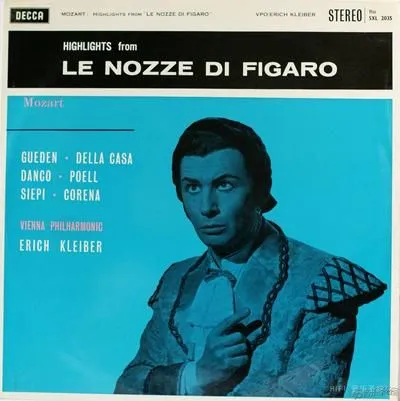
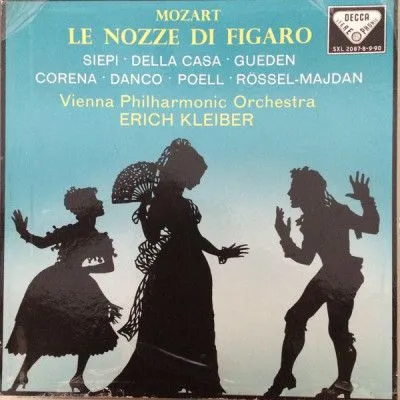
Danco made many recordings for Decca Records (released on the London label in the U.S.) in the 1940s and 1950s. Some of these are available on CD, including Gluck's Orphée et Eurydice conducted by Hans Rosbaud in 1956, Don Giovanni (as Donna Anna) conducted by Josef Krips, and Le nozze di Figaro (Cherubino) under Erich Kleiber in 1955.
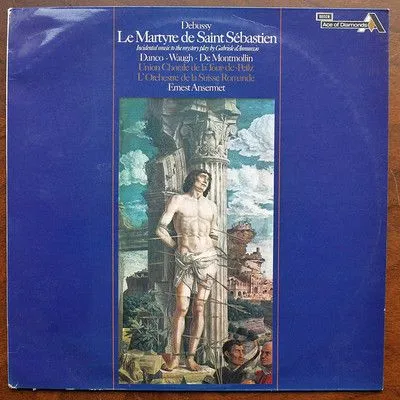
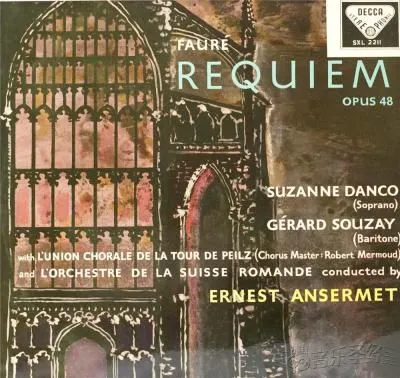
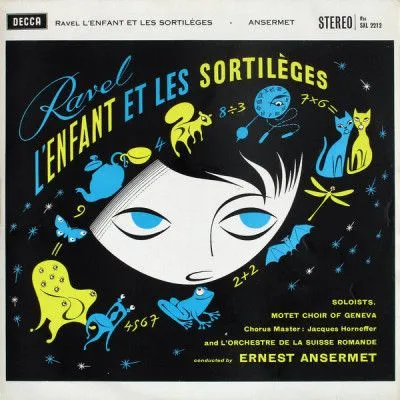
She also worked closely with Ernest Ansermet and the Suisse Romande Orchestra on a series of recordings in the 1950s, including Ravel's two one-act operas L'heure espagnole and L'enfant et les sortilèges, Debussy's Le martyre de Saint Sébastien, and Fauré's Requiem.
There have been a number of CD reissues of Suzanne Danco's recital performances and recordings, including a 2001 compilation disc entitled The Singers: Suzanne Danco with recordings made between 1947 and 1952.
From:https://en.wikipedia.org/wiki/Suzanne Danco