林赛·白金汉 (Lindsey Buckingham)
林赛·白金汉
L·Buckingham / L·白金汉類型个人
職業吉他
藝人資料
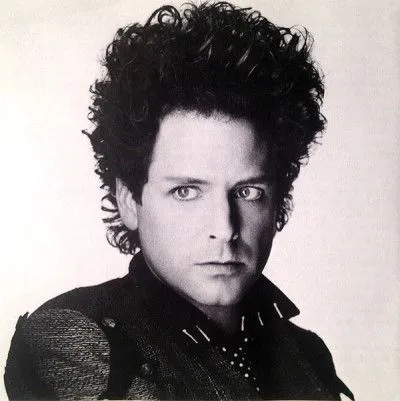
Lindsey Adams Buckingham (born October 3, 1949) is an American musician, singer, songwriter, and producer, best known as lead guitarist and one of the vocalists of the musical group Fleetwood Mac from 1975 to 1987, and then 1997 to the present day. Aside from his tenure with Fleetwood Mac, Buckingham has also released six solo albums and three live albums. As a member of Fleetwood Mac, he was inducted into the Rock and Roll Hall of Fame in 1998. In 2011, Buckingham was ranked 100th in Rolling Stone Magazine's 2011 list of "The 100 Greatest Guitarists of All Time". Buckingham is known for his fingerpicking guitar style.
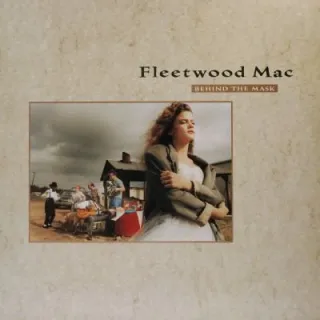
Fleetwood Mac, the band that gave Buckingham his greatest exposure, had been around since the late 1960s, beginning as a British blues outfit led by Peter Green. After Green left the group, they experienced several tumultuous years, without a stable frontman. Buckingham was invited to join Fleetwood Mac in 1975; they had recorded in the same studio, and the band was lacking a guitarist or male lead vocal. As a stipulation to joining, Buckingham insisted that his musical and romantic partner Stevie Nicks be included. Buckingham and Nicks became the face of Fleetwood Mac during their most commercially successful period, highlighted by the multi-platinum Rumours album, which would sell over 40 million copies worldwide. Though highly successful, the line-up experienced almost constant creative and personal conflict, and Buckingham left the band in 1987 to focus on his solo career.
A one-off reunion at the 1993 inauguration ball for President Bill Clinton would initiate some rapprochement between the former band members, with Buckingham performing some vocals on one track of their 1995 album Time, and rejoining the band full-time in 1997 for the live tour and album The Dance. Buckingham has remained in the band ever since.
Lindsey Adams Buckingham was born in Palo Alto, California, and was the third and youngest child of Rutheda (née Elliott) and Morris Buckingham. He had two older brothers, Jeffrey and Gregory. Growing up in the San Francisco Bay Area community of Atherton, Buckingham and his brothers were encouraged to swim competitively. Though Buckingham dropped out of athletics to pursue music, his brother Gregory went on to win a silver medal at the 1968 Olympics in Mexico City. Buckingham attended San Jose State University but did not graduate.
Buckingham's first forays into guitar playing took place on a toy Mickey Mouse guitar, playing along to his brother Jeff's extensive collection of 45s. Noticing his talent, Buckingham's parents bought their son a $35 Harmony guitar.
Buckingham never took guitar lessons and does not read music. By age 13, he became interested in folk music and, influenced by banjo methods, practiced the energetic style of the Kingston Trio. From 1966-1971, Buckingham performed psychedelic and folk rock with the band The Fritz Rabyne Memorial Bandin the San Francisco Bay Area as a bassist and vocalist. Shortly after joining Fritz, Buckingham invited friend Stevie Nicks to join Fritz as a second vocalist. Their romantic relationship would begin after both left Fritz five years later.
Buckingham and his then-girlfriend Stevie Nicks recorded seven demos in 1972 on a half-inch 4-track Ampex recorder kept at his father's coffee roasting plant in Daly City, then drove to Los Angeles to pursue a record deal. In 1973, Polydor Records signed the pair. Their album, produced by Keith Olsen and second engineer Richard Dashut, Buckingham Nicks, was released in September 1973; soon after its release, however, Polydor dropped the duo because of poor sales. To help make ends meet, Buckingham toured with Don Everly's backing band, singing Phil Everly's parts.
While investigating Sound City recording studio in California, Mick Fleetwood heard the song "Frozen Love" from the Buckingham Nicks album. Impressed, he asked who the guitarist was. By chance, Buckingham and Nicks were also in Sound City recording demos, and Buckingham and Fleetwood were introduced. When Bob Welch left Fleetwood Mac in December 1974, Fleetwood immediately contacted Buckingham and offered him the vacant guitar slot in his band. Buckingham told Fleetwood that he and Nicks were a team and that he didn't want to work without her. Fleetwood agreed to hire both of them, without an audition. Buckingham and Nicks then began a short tour to promote the Buckingham Nicks album. The touring band included drummers Bob Aguirre and Gary Hodges (playing simultaneously) and bassist Tom Moncrieff, who later played bass on Nicks' 1981 album Bella Donna. When they played in Alabama, the one area where they saw appreciable sales, they told their fans they had joined Fleetwood Mac.
Fleetwood Mac released their eponymously titled album in 1975, which reached number one in the American charts. However it was the second album of this new line-up, Rumours, that propelled the band to superstar status, when it became one of the best-selling albums of all time. Buckingham's "Go Your Own Way" was the lead single, soaring into the US Top Ten. After the resounding commercial success of Rumours (during the making of which Buckingham and Nicks famously split), Buckingham was determined to avoid falling into repeating the same musical pattern. The result was Tusk (1979), a double album that Buckingham primarily directed. Once again, Buckingham wrote the lead single, the title track that would peak at #8 on Billboard Hot 100. It was during this time that Buckingham moved in with record company secretary and aspiring model Carol Ann Harris, with whom he lived until 1984. Though by most standards a hit, Tusk failed to come close to Rumours record sales, and the album was followed by a hiatus in the band's studio recording efforts.
After a large world tour that ended in 1980, Fleetwood Mac took a year-long break before reconvening to record their next album Mirage (1982), a more pop-friendly work that returned the band to the top of the US album chart. However, by this time various members of the band were enjoying success as solo artists (particularly Nicks) and it would be five years before the release of the next Fleetwood Mac album. By the time Tango in the Night was released in 1987, Buckingham had already released two solo albums and had given up much of the material for what would have been his third solo album for the project, including "Big Love", "Tango in the Night ", "Family Man", "You and I" and "Caroline". On several of these tracks Buckingham played every instrument. "Big Love", released as the first single from the album, became a top ten hit in the US and the UK.
Propelled by a string of hit singles, Tango in the Night became the band's biggest album since Rumours a decade earlier. However, following its release, Buckingham left Fleetwood Mac largely because of his desire not to tour and the strain he was feeling within the band. "I needed to get some separation from Stevie especially, because I don't think I'd ever quite gotten closure on our relationship," he said. "I needed to get on with the next phase of my creative growth and my emotional growth. When you break up with someone and then for the next 10 years you have to be around them and do for them and watch them move away from you, it's not easy." Fleetwood Mac continued without him, and Buckingham was replaced by guitarists Rick Vito and Billy Burnette.
摘自:<a href="<a href=" https:="" en.wikipedia.org="" wiki="" '="">https://en.wikipedia.org/wiki/'>https://en.wikipedia.org/wiki/Lindsey Buckingham