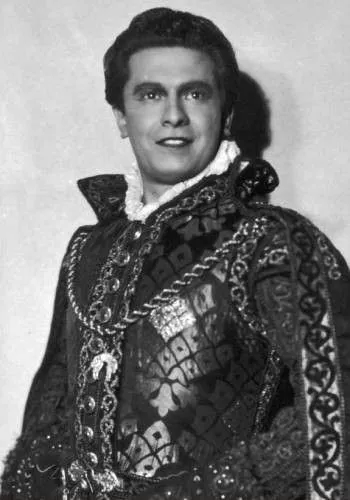
Giuseppe Di Stefano 朱塞佩·迪·斯苔芳诺
朱塞佩·迪·斯苔芳诺
G·D·Stefano / G·D·斯苔芳诺地区意大利
类型个人
职业男高音
艺人资料
朱塞佩·迪·斯苔芳诺是意大利男高音歌唱家。1921年7月24日,斯苔芳诺出生于意大利西西里岛的卡塔尼亚。 斯苔芳诺是50—60年代世界最著名的男高音歌唱家之一,有人说:“卡鲁索、斯苔芳诺和帕瓦罗蒂分别代表了20世纪早、中、后期男高音歌唱艺术的顶峰”,这个概括应该说是恰如其分的。
1.斯苔芳诺生平
1.1职业生涯
在青年时期,他与许多同胞一样,闲暇时喜欢放声高歌拿波里民谣。但在相当长一段时间里,他对自己的声乐天赋并没有给予特别的注意。还是他的一位热心于声乐的同学在偶然听到的歌唱以后,坚持认为他能够成为一名出色的歌唱家,并鼓励他向有经验的声乐教师讨教。为学习声乐,斯苔芳诺说服父母举家迁往米兰。在那里,他向声乐专家、男中音歌唱家蒙蒂桑托学习歌唱。二战时,斯苔芳诺应征人伍,战争结束后,继续拜蒙蒂桑托为师。
1946年4月21日,在勒佐·艾米利亚城的市政府剧院,斯苔芳诺以职业歌唱家的身份举行了他的首次公演,演出剧目是玛斯涅的歌剧《曼侬》,他饰演德·格里奥这一重要角色,并获得成功。此后,斯苔芳诺应邀参加了在瑞士举行的音乐会演唱。一年后,斯苔芳诺在米兰的斯卡拉歌剧院再度出演《曼侬》,此时,他已成为蜚声意大利全国的著名歌唱家。
1947年底,美国纽约大都会歌剧院院长、著名加拿大男高音爱德华·约翰逊来到意大利,蒙蒂桑托请他来听一听斯苔芳诺的演唱。他一下子就被这位青年歌手甜美、圆润的歌声征服了。他立刻做出决定,邀请这位歌手去大都会演出。这次会见是斯苔芳诺艺术生涯的一个重要转折。
1.2经历
1948年2月25日,斯苔芳诺以威尔第的著名歌剧《弄臣》中的曼图亚公爵一角在大都会歌剧院获得了巨大成功。此后在一连5个演出季节中,他分别主演了《弄臣》、《茶花女》、《爱的甘醇》、《贾尼·斯契奇》和《迷娘》。
1949年,他与美国歌唱家合作,出演了《福斯塔夫》和《塞维利亚的理发师》,并对中南美洲各国进行了访问演出。美国评论界对抒情男高音歌唱家斯苔芳诺给予了高度评价。《美国音乐》杂志评价说:“他的声音万无一失地优美,具有非凡的表达力。他那天鹅绒般轻柔而洪亮的声音是自吉利和劳利—沃尔彼之后难得听到的。”纽约音乐界一致惊呼:一位世界级的男高音新星诞生了!许多权威乐评家认为,在卡鲁索、吉利之后,斯苔芳诺不仅是使大都会继续保持其辉煌声誉的重要补充,而且是大都会新时代的开创者。“他的声音万无一失的优美,具有非凡的表达力,他那天鹅绒般轻柔而洪亮圆润的声音,是自吉里和劳里·沃尔彼之后难得听到的”。
1951年,斯苔芳诺在纪念威尔第逝世50周年的演出中,演唱了大师创作的《安魂曲》。
1951—1953年,他在斯卡拉歌剧院出色地演唱了《艺术家的生涯》中的鲁道夫和《歌女》中的恩佐。此间,斯苔芳诺与世界著名歌唱家斯卡拉、泰巴尔迪的合作明显增多,他们在一起主演了《拉莫摩尔的露契亚》和《叶甫盖尼·奥涅金》。从1954年起,斯苔芳诺力图拓展自己的表演范围,开始尝试各种类型的角色。在这一时期,他分别扮演了内莫利诺、何塞、鲁道夫、阿尔图罗、图里杜、阿尔弗莱德、拉达梅斯和理查德。斯苔芳诺证明了自己既能演唱抒情男高音,也可以胜任戏剧男高音。他扮演的戏剧性角色充满了爆发的激情,具有极大的感染力。特别是在《卡门》中扮演的何塞,被认为是无与伦比的最理想的何塞。对观众来说,不论是抒情男高音,还是戏剧男高音,斯苔芳诺的声音都是上帝般的。只要斯苔芳诺出场,他们就无法控制自己喜悦的感情,甚至难以约束自己狂热的行为。1957年,斯苔芳诺与泰巴尔迪在美国上演了已销声匿迹半个世纪的契雷亚的歌剧《阿德里安娜·莱科夫露尔》。50年代中期以后,斯苔芳诺与共同创造了20世纪歌剧黄金时代的歌唱家泰巴尔迪、蒂托·戈比、莫纳科、巴斯蒂安尼尼等组成了前所未有的“超豪华阵容”,他们令人赞叹的合作演出展示了歌剧艺术的全部魅力。特别是斯苔芳诺与“世界全能女高音”玛丽亚·卡拉斯的合作,为近代歌剧史写下了许多永恒的篇章。
1.3其它
1958年,他与瑞典著名的女高音歌唱家尼尔森合作,主演了《图兰朵》。
1960年,由斯苔芳诺、泰巴尔迪等最优秀的意大利歌唱家组成了豪华阵容,他们在芝加哥演出了《托斯卡》。
尽管斯苔芳诺作为最优秀的歌唱家,完全有能力胜任抒情男高音和戏剧男高音等不同的角色类型,但斯苔芳诺的优势仍在抒情性的角色。事实上,他最适宜的是那些在感情的激烈程度和情节的紧张程度上表现为戏剧性的,而实际上属于抒情性的角色。不过,斯苔芳诺似乎不太在意这种细微的区别,他在担任这两类不同的角色时,出现了比例上的失调。斯苔芳诺在演唱戏剧男高音时,有时给人以“雄师搏兔”的感觉。他过于透支了他的嗓音,使声带超出了承受力。包括帕瓦罗蒂在内的一些朋友曾友善地规劝过他,但执拗的斯苔芳诺仍我行我素,不予理睬。斯苔芳诺过早地为此付出了代价。
60年代初,刚过不惑之年的斯苔芳诺的声音就出现了令人不安的不良征兆。他的嗓音逐渐硬质化,弹性和柔美的程度日趋削减。更不幸的是,事态的发展在加快。
1965年,在大都会歌剧院上演《霍夫曼的故事》时,剧院不得不通知斯苔芳诺,将由另一位男高音演员来接替他的角色,理由是斯苔芳诺已不能克服扮演这一角色在技巧上的困难。同一年,这类事件发生了多起。有时甚至干脆取消了原订的演出。事实上,斯苔芳诺在一些局部的唱段中仍有着优美的声音,但这已不能改变或代替他在整个演出中的不利局面。此后,他的声音越来越衰竭。他只能偶尔登台,以减少失误的次数。
1971年,是斯苔芳诺最后的演出季节。他重返了斯卡拉歌剧院,向始终给予他赞誉、期望、鼓励的家乡观众致谢。
2004年11月30日,斯苔芳诺在非洲国家肯尼亚度假时被一伙身份不明的歹徒抢劫,并惨遭殴打,头部受到重伤,陷入昏迷。虽然接受了两次头部手术,但始终没有痊愈。
2008年3月3日斯苔芳诺在意大利米兰北部Santa Maria Hoe的家中去世.享年八十三岁。
2.后世影响
2.1个人荣誉
主演了《弄臣》、《茶花女》、《爱的甘醇》、《贾尼·斯契奇》和《迷娘》出演了《福斯塔夫》和《塞维利亚的理发师》。2.2个人影响
他在《艺术家的生涯》中最后一次扮演了曾使他获得荣誉的鲁道夫一角。剧场里充满了对这位优秀歌唱家的敬意的热烈气氛。人们从英雄暮年的斯苔芳诺身上,努力追寻他以往的勃勃英姿。尽管在演完最后一幕时,斯苔芳诺已疲惫不堪,但全场观众仍起立齐声高呼:“永远的第一男高音!”正如其他的男高音歌唱家一样,斯苔芳诺也十分钟爱那不勒斯情歌。他经常参加音乐会的演唱,并留下了有大量曲目的歌剧选曲和民歌的唱片。
2.3人物评价
斯苔芳诺的杰出贡献在于,他与上个世纪的前辈歌唱家有所不同,上一代纯正的“美声”歌唱家的声音灵活、轻巧,音色清澈透明。虽然在典雅精致、高尚华美方面无可挑剔,但缺乏炽热的激情,不够有气魄。而斯苔芳诺凭借他那“威尔第式”的辉煌唱功使他在处理古典作品中的角色时,声音显得更鲜明、丰满,他的体验和表达更有力度、更富有感染力。
English Introduction
Giuseppe Di Stefano (24 July 1921 – 3 March 2008) was an Italian operatic tenor who sang professionally from the mid 1940s until the early 1990s.
He was known as the "Golden voice" or "The most beautiful voice", as the true successor of Beniamino Gigli. He was also known for his long-term performance and recording association with the soprano Maria Callas. Giuseppe Di Stefano was born in Motta Sant'Anastasia, a village near Catania, Sicily, in 1921.
He was the only son of a carabiniere turned cobbler and his dressmaker wife. Di Stefano was educated at a Jesuit seminary and briefly contemplated entering the priesthood. After serving in the Italian military (and briefly taking lessons from the Swiss tenor Hugues Cuénod), Di Stefano made his operatic debut in 1946 in Reggio Emilia as Des Grieux in Massenet's Manon, the role in which he made his La Scala debut the following year.
He made his New York debut at the Metropolitan Operain February 1948 as the Duke of Mantua in Verdi's Rigoletto after singing the role in Riccione with Hjördis Schymberg in August of the previous year. After his performance in Manon a month later, Musical America wrote that Di Stefano "had the rich velvety sound we have seldom heard since the days of Gigli". He went on to perform regularly in New York for many years.
In 1957, Di Stefano made his British debut at the Edinburgh Festival as Nemorino in L'elisir d'amoreand his Royal Opera House, Covent Garden, debut in 1961, as Cavaradossi in Tosca. As a singer, Di Stefano was admired for his excellent diction, unique timbre, passionate delivery and, in particular, for the sweetness of his soft singing. In his Metropolitan Opera radio broadcast debut in Faust, he attacked the high C forte and then softened to a pianissimo.
Sir Rudolf Bing said in his memoirs, "The most spectacular single moment in my observation year had come when I heard his diminuendo on the high C in "Salut! demeure" in Faust: I shall never as long as I live forget the beauty of that sound". During his years of international celebrity, Di Stefano won a gold Orfeo, an Italian musical award. In 1953 Walter Legge, leader of EMI's classical wing, wanted a tenor to record all the popular Italian operas with Maria Callas, and chose Di Stefano.
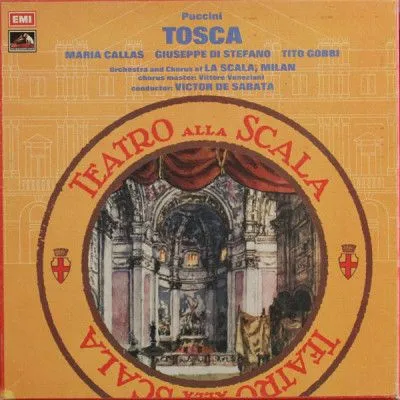
Among their recording achievements was the famous 1953 studio recording of Tosca under Victor de Sabata, which is considered "as being one of the great performances in the history of the gramophone".
The two also performed together on stage frequently, from 1951 in South America to the end of 1957 in Un ballo in maschera at La Scala, the last time the two collaborated in an opera. He sang Alfredo to Callas in the famous Visconti production of La traviata in 1955 at La Scala, as well as Edgardo to her Lucia under Herbert von Karajan at La Scala, Berlin and Vienna.
In 1973, Di Stefano accompanied Maria Callas on her final recital tour that ended in 1974: critics remarked that both were losing their voices, but the public reaction was enthusiastic everywhere. It was during this period the two had a brief romantic relationship. Di Stefano's final operatic role was as the aged Emperor in Turandot, in July 1992. In November 2004, Di Stefano was critically injured in his home in Diani Beach, Kenya, after a brutal beating by unknown assailants. He was ambushed in his car with his wife, Monika Curth, as they prepared to drive from their villa in Diani, a coastal resort near Mombasa on the Indian Ocean. The singer was still unconscious a week after the attack and was fed intravenously, and underwent several operations.
After two surgeries in Mombasa, Di Stefano was flown to the San Raffaele clinic at Milan in December 2004, where he slipped into a coma. Eventually he awakened from coma, but his health never fully improved. He died in his home in Santa Maria Hoè, north of Milan, on 3 March 2008 at the age of 86. Luciano Pavarotti said he modeled himself after Di Stefano, a fact that gained much attention after Pavarotti's death in September 2007. He was also the tenor who most inspired José Carreras.